
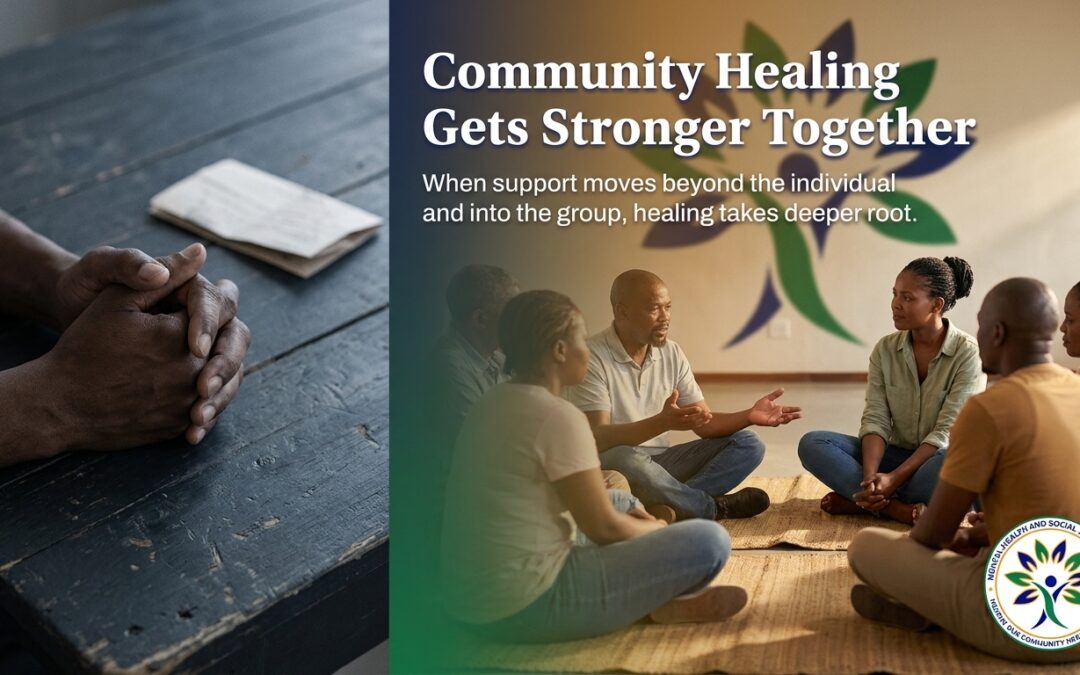
Carrying the weight of trauma alone chips away at your strength every day. When you join others who share those burdens, healing takes on new power and meaning. At MHSJC, group therapy South Africa offers more than individual support—it builds community resilience through trauma-informed care that connects, restores, and lifts everyone involved. Read on to see how shared healing creates lasting change for you and your community. For more insights, visit this program.
The Power of Collective Healing
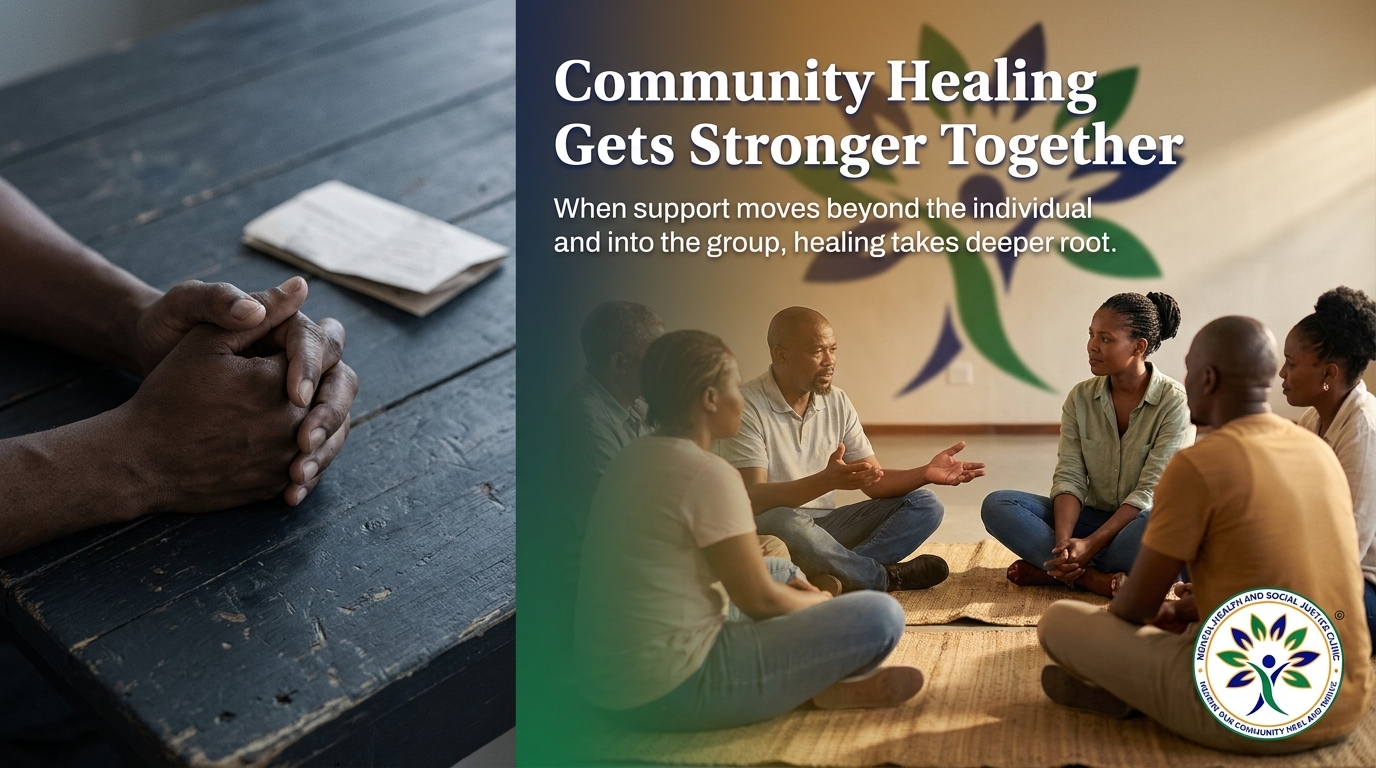
Being part of a shared healing journey creates strength and unity. As you explore the impact of group therapy in South Africa, you’ll find out how community-based care brings deeper healing.
Emotional Burden of Isolation
When you’re tackling mental health challenges, being on your own can feel overwhelming. The stress can pile up, leaving you feeling stuck. Many people think they have to carry these burdens alone, but that’s not true. If you connect with others facing the same hurdles, the weight gets lighter. You see, sharing your story can open doors to relief.
Imagine sitting with others who truly understand your struggles. Their stories mirror yours, and suddenly, your burdens don’t seem so heavy. You realize you’re not alone. This connection fosters hope and healing. When you join group therapy, you begin to see that healing isn’t something you have to do alone.
Relief in Shared Spaces
In group settings, you experience empathy and understanding. It’s a place where you don’t have to explain yourself all the time. You’re free to express your feelings without judgment. This shared space offers a sense of relief and belonging.
When others listen to your story and nod with understanding, you know you’re not alone. This is where the magic happens. You’re part of a circle that holds each other up. Here is where true healing begins—where shared experiences bring comfort. If you’re curious about how group therapy can transform your journey, consider visiting this insightful program.
How Group Support Transforms Healing
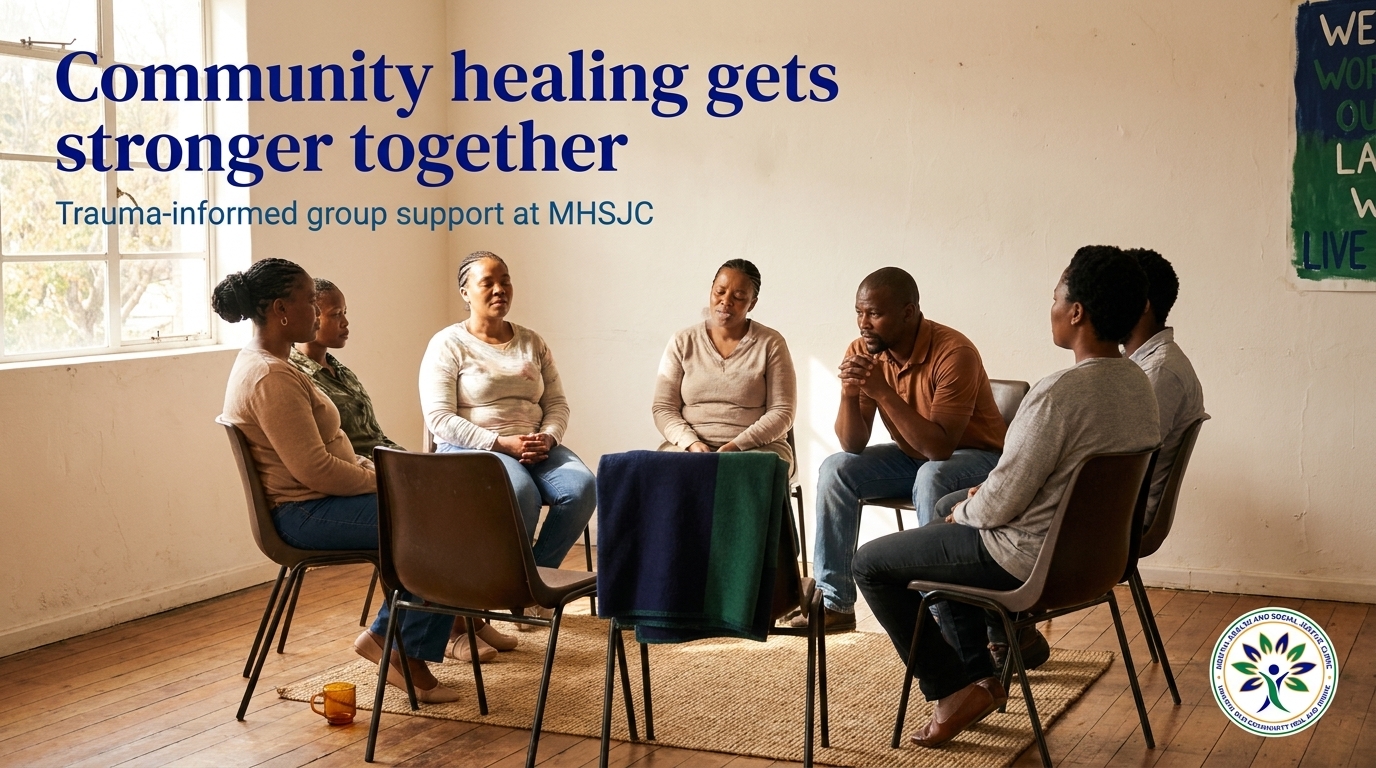
Group support is a catalyst for change. It shifts your perspective and opens new paths to healing. You’ll see how trauma-informed care in communities builds a nurturing environment for everyone.
Trauma-Informed Care in Communities
Trauma-informed care respects your experiences and needs. It’s about understanding what you’ve been through and offering support that truly helps. In a community setting, this approach becomes even more powerful.
Communities that embrace trauma-informed care create a safe space for healing. Here, professionals work together to offer support that recognizes your unique journey. They bring holistic therapy clinics to life, integrating practices like art therapy and yoga for trauma. This supportive environment fosters deep healing.
For those interested in exploring these innovative therapies, group sessions provide the perfect setting. By engaging with others, you find new ways to move forward. You see that healing is possible, and you’re not alone on this journey.
Benefits of Holistic Therapy Clinics
Holistic therapy clinics offer a blend of traditional and alternative therapies. They provide a space where you can explore different pathways to healing. This approach is about treating the whole person—mind, body, and spirit.
Imagine a place where you can try art therapy groups, mindfulness practices, or even community acupuncture. These therapies offer unique ways to address trauma and stress. They help you reconnect with yourself and others.
In these clinics, you’re not just a patient; you’re a vital part of a healing community. You gain tools to manage your mental health, and you also become part of a support network. The impact of these therapies is profound, and the benefits reach far beyond individual sessions.
Building Resilience Through Community
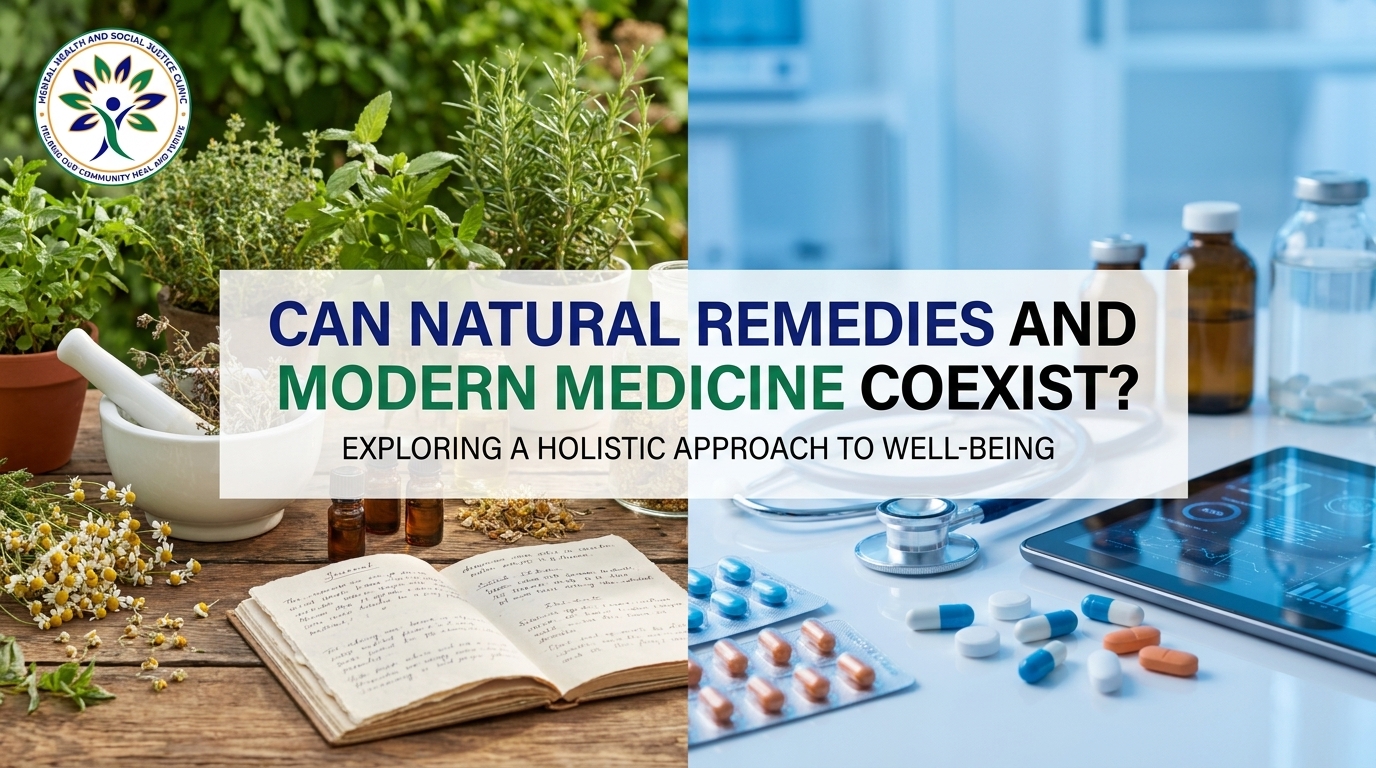
When communities come together, resilience grows. Social justice and mental health intersect to create lasting change. You’ll see how supporting marginalized communities can make a real difference.
Social Justice and Mental Health
Social justice is a critical part of mental health care. It’s about ensuring everyone has access to the support they need. In South Africa, many face systemic challenges that impact their well-being. Addressing these issues is crucial for community healing.
By focusing on social justice, mental health services can reach those who need it most. These services offer sliding-scale counseling to make care more accessible. They also work to dismantle barriers that prevent people from getting help.
When mental health care includes social justice, it empowers communities. It creates an environment where everyone can thrive. Those who engage in these initiatives see real change. They become advocates for their own well-being and for others.
Supporting Marginalized Communities 🤝
Supporting marginalized communities requires a collective effort. It’s about creating spaces where everyone feels valued and heard. When communities rally together, they can foster resilience and hope.
Programs that focus on marginalized communities offer unique therapies. This includes online therapy groups and cooking therapy sessions. These initiatives provide support that respects cultural backgrounds and individual needs.
By participating in these programs, you become part of a movement for change. You’re not just receiving support; you’re contributing to a brighter future for all. The longer you wait to join these efforts, the more you miss out on the power of collective healing.
For more inspiration, check out this story on community healing. It highlights the transformative power of coming together for a common cause.
In conclusion, community healing is a powerful force. When you join group therapy and engage with holistic therapies, you unlock new paths to healing. You’re part of a movement that uplifts and empowers everyone involved. It’s time to embrace the power of collective healing and make a difference in your community.