
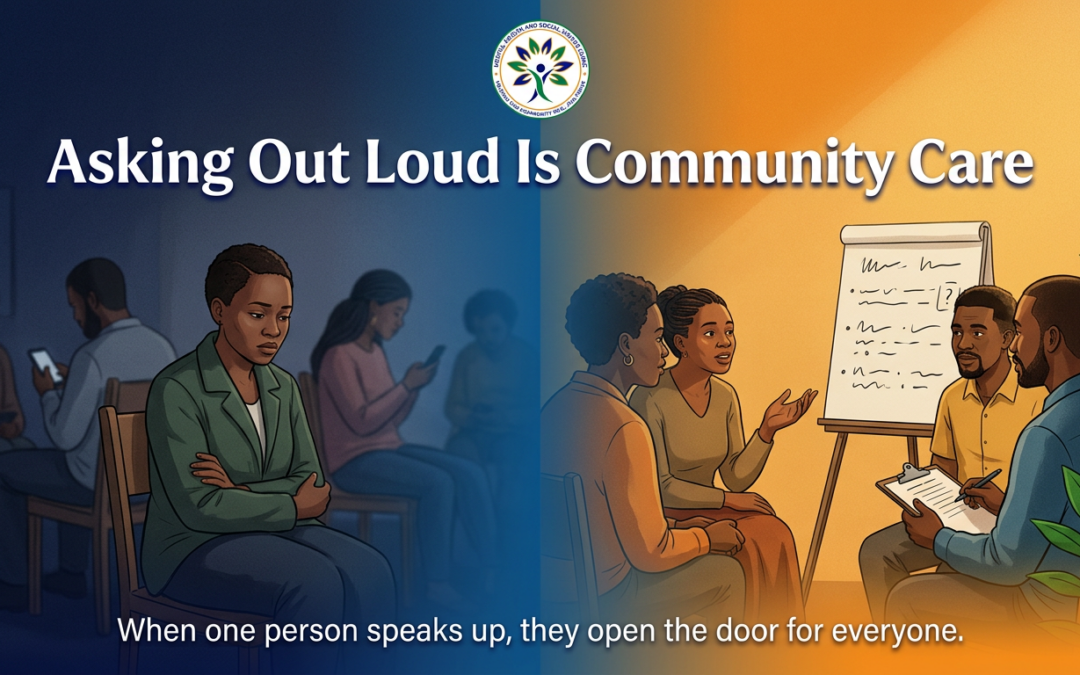
Asking for mental health support out loud can feel risky, especially in communities where silence has long guarded stigma. But that first public question changes everything: it turns private shame into shared permission. When you speak up, you create space for others to do the same—and open the door to trauma-informed care and holistic therapy. This is how community Q&A panels spark real healing and collective strength in marginalized communities across South Africa. For more information on fighting mental health stigma, visit this resource.
Shifting Silence to Community Care
Breaking the silence around mental health is crucial. When you ask for help publicly, it not only helps you but also encourages others to do the same, fostering a supportive community environment.
The Power of Public Asking
When one person speaks up about their mental health challenges, it sends a powerful message. People often fear judgment or misunderstanding, but when you vocalize your needs, you create a ripple effect. This can empower others to follow suit, making help-seeking a community norm rather than an exception. Public asking promotes visibility and normalizes discussions, helping to dismantle the stigma that has long been associated with mental health issues in marginalized communities.
Creating Collective Healing Spaces
Public discussions about mental health can transform individual experiences into collective healing. Community Q&A panels are effective in this regard. They not only provide a platform for individuals to express their concerns but also offer real-time solutions and support from professionals and peers alike. These panels foster a sense of belonging and safety, encouraging more people to engage openly. As more voices join the conversation, the collective strength of the community grows, paving the way for broader acceptance and understanding.
Breaking the Stigma Open
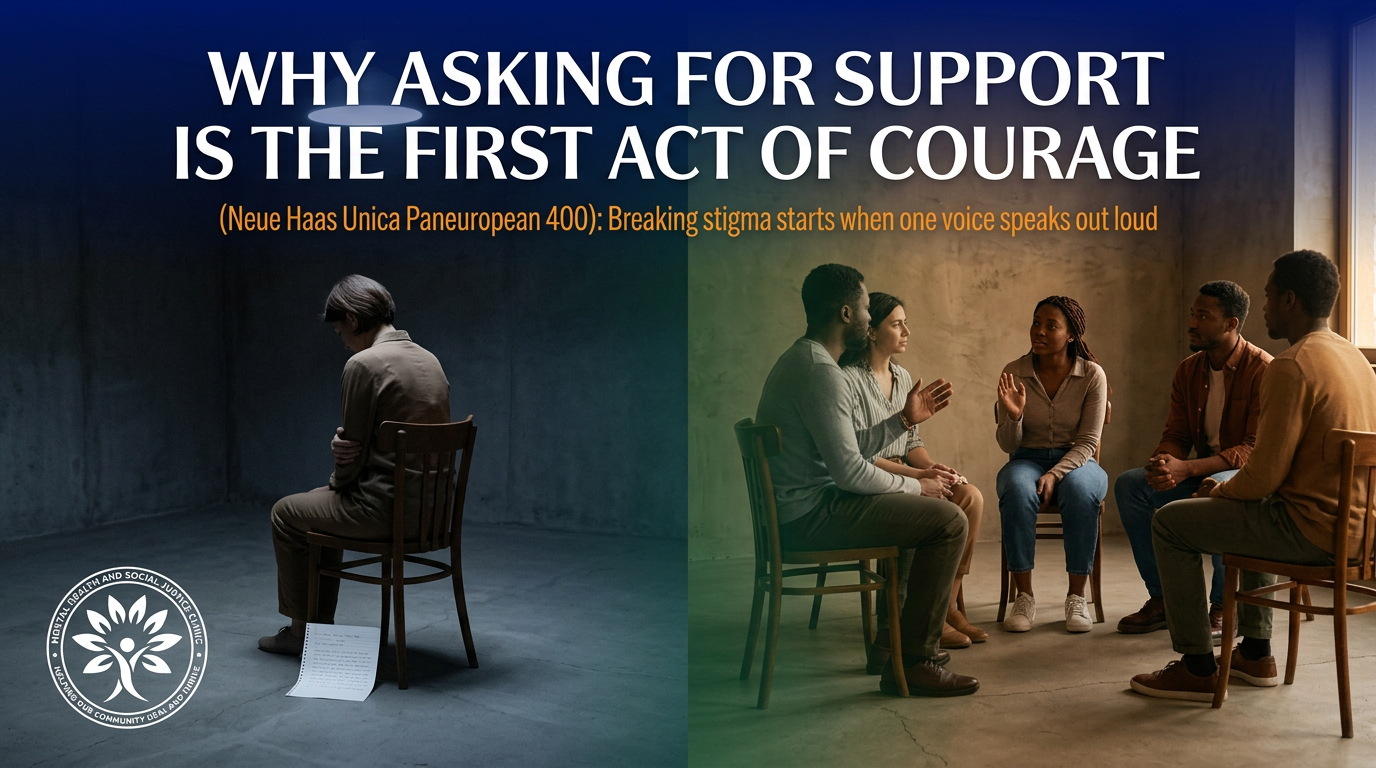
Challenging mental health stigma requires persistent effort and collective engagement. When communities openly address these issues, it becomes easier for individuals to seek the help they need without fear of judgment.
Normalizing Help-Seeking Behavior
Help-seeking should be as normal as visiting a doctor for a physical ailment. For this to happen, we need to change the narrative around mental health. By normalizing conversations about mental wellness, we make it easier for individuals to acknowledge their struggles and seek the support they need. This shift in perception encourages self-compassion and reduces the shame often associated with mental health issues. It’s about building a community where everyone feels comfortable asking for help.
Community Q&A as a Gateway
Community Q&A panels serve as a gateway to breaking mental health stigma. These sessions allow for open dialogue, where questions can be asked and answered without fear. People can share their experiences and learn from one another, creating a supportive network. The panels also provide opportunities for professional guidance, making it easier for individuals to access resources and services. By participating in these discussions, community members take active steps towards reducing stigma and promoting mental health awareness.
Engaging with Holistic Support
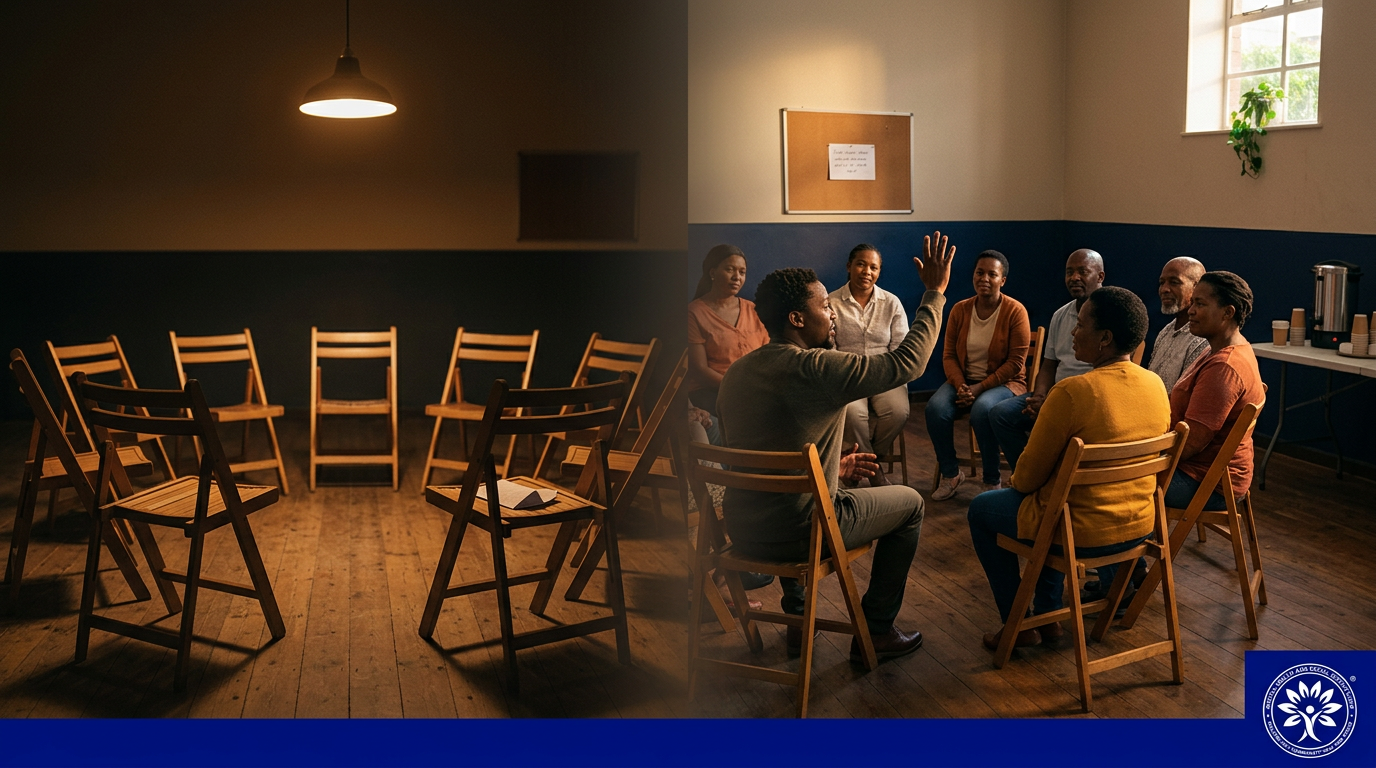
Beyond traditional therapy, holistic approaches offer comprehensive support, addressing the mind, body, and spirit. These methods can be particularly effective in treating trauma and promoting overall well-being.
Exploring Somatic Therapies
Somatic therapies, such as yoga, art, and acupuncture, allow individuals to connect with their bodies and emotions in a non-verbal way. These practices help release stored trauma and promote healing. For instance, yoga therapy can enhance mindfulness and reduce anxiety, while art therapy provides a creative outlet for expressing feelings. By incorporating somatic therapies into mental health care, individuals can experience a more integrated form of healing that addresses both physical and emotional needs.
Accessible Services for All 🌟
Making mental health services accessible to everyone is vital. Community workshops and online therapy sessions ensure that help is within reach, regardless of location or financial status. These services are designed to meet the diverse needs of the community, providing support that is both comprehensive and inclusive. By breaking down barriers to access, we pave the way for more individuals to receive the care they need, fostering a healthier, more resilient community for all.