
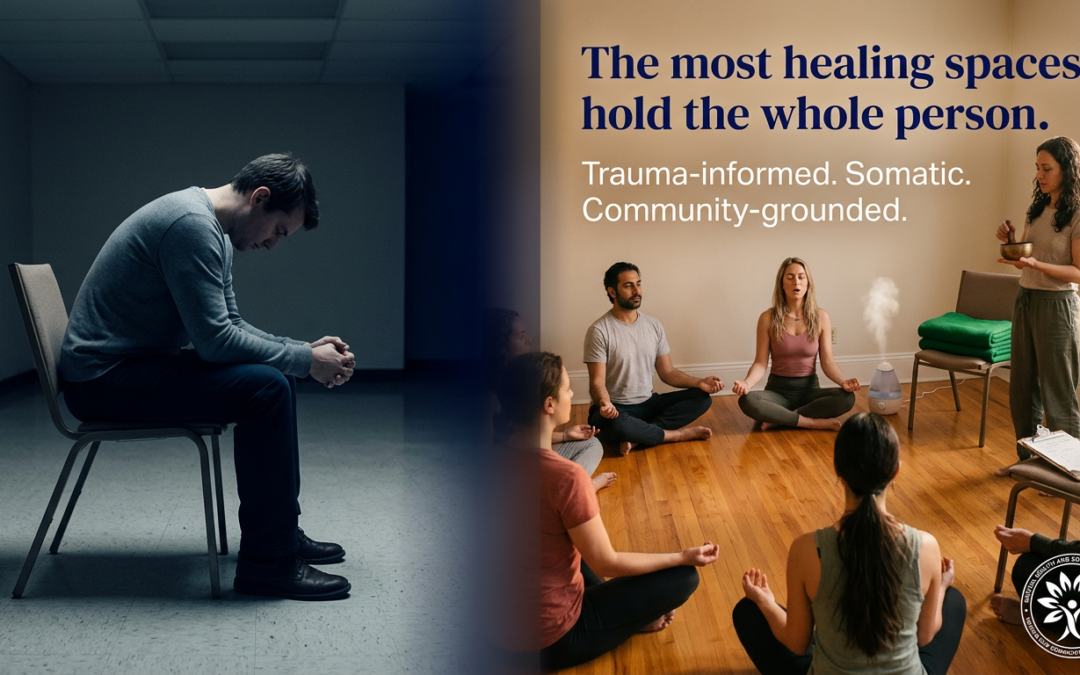
Quick fixes in mental health often leave you feeling empty, like your pain was only skimmed, not soothed. Real healing happens when your whole self—body, mind, and story—finds a safe place to breathe and connect. That’s why trauma-informed group therapy South Africa trusts combines somatic healing workshops with a true sense of belonging. At MHSJC, this blend creates spaces where relief arrives fast and lasting support grows stronger. Keep reading to see why this approach reshapes healing beyond surface comfort. Learn more about our approach.
The Illusion of Quick Fixes
The search for fast solutions can often leave you feeling more empty than fulfilled, especially in mental health.
Unpacking the Quick Fix Myth
The allure of quick fixes is understandable. They promise swift relief and the hope for immediate change. But the reality is different. Quick fixes might address symptoms, but they rarely tackle the root cause. Suppose you have a headache and take a pill. The pain might go, but if the cause is stress, the relief won’t last. Healing is deeper than just removing the symptoms. It’s about understanding and addressing the underlying issues.
In mental health, quick fixes might involve short-term strategies like motivational quotes or brief meditations. These can be helpful but often don’t provide lasting change. A study highlighted that people who focus only on quick solutions often find themselves stuck in repetitive cycles of distress. Source. Real growth requires a more profound approach that considers your whole self — your mind, body, and experiences.
Real Healing: Beyond Shortcuts
Lasting healing involves a journey that goes beyond surface solutions. It’s about creating a foundation for change that acknowledges both personal and systemic challenges. At the Mental Health and Social Justice Clinic (MHSJC), we believe in nurturing spaces where individuals can find safety and support. By addressing the whole person, the chances of real recovery increase significantly.
Consider a garden: quick fixes might be like watering the leaves. True growth, however, requires tending to the roots. This is the principle behind our workshops, where we focus on holistic care. We support your journey, promoting well-being beyond immediate relief. When you invest time in understanding and addressing the root causes of distress, you set the stage for meaningful and lasting change.
The Power of Trauma-Informed Care
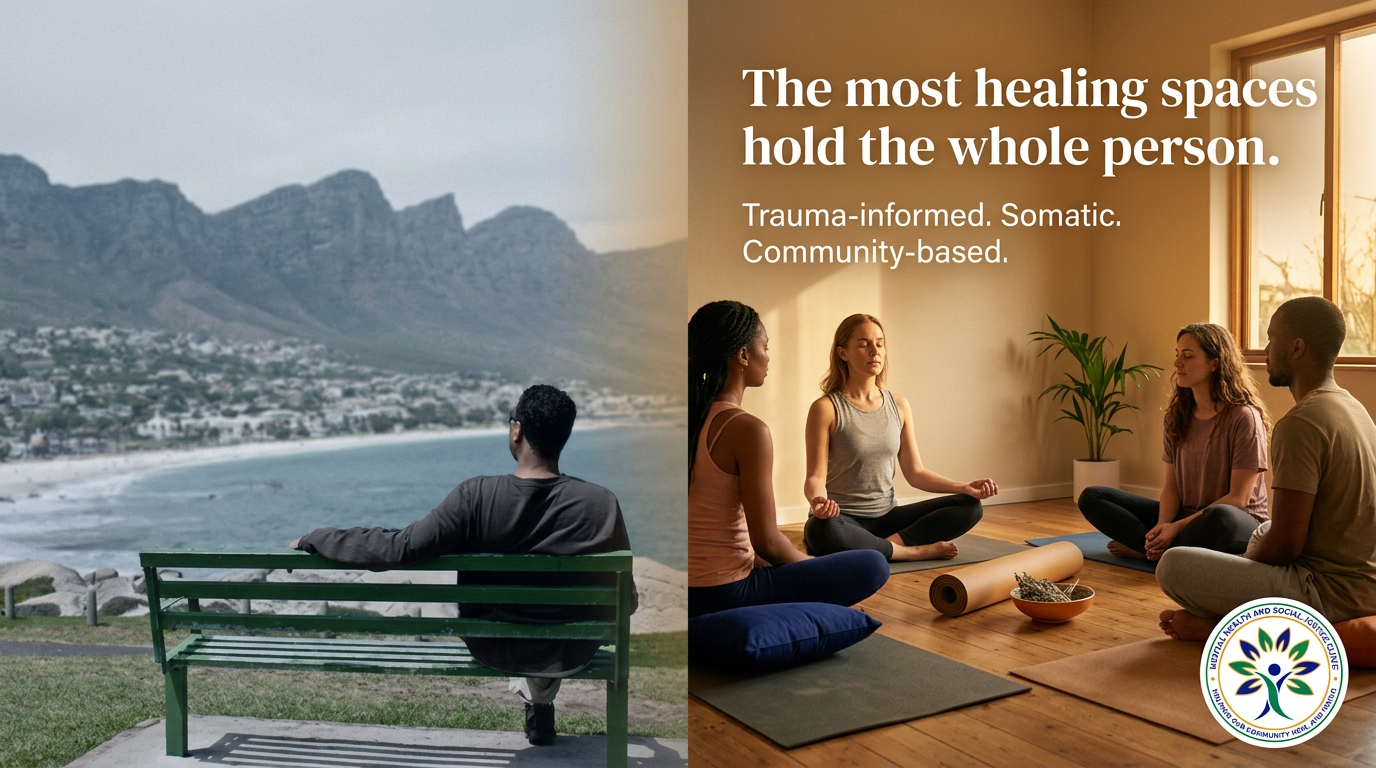
Transitioning from quick solutions, trauma-informed care offers a compassionate approach that recognizes the full scope of your experiences.
Addressing Personal and Systemic Harm
Trauma-informed care respects both personal and broader societal challenges. Often, individuals carry not just their personal trauma but also the burdens imposed by systemic issues. This dual acknowledgment is essential for effective healing. For example, someone might feel anxious due to personal experiences but also due to societal pressures. Addressing both layers is crucial.
In trauma-informed settings, practitioners focus on understanding the impact of trauma and the context in which it occurs. This means recognizing the role of systemic oppression and inequality in individual health. By doing so, we can create tailored interventions that address these complex interconnections. Explore more on systemic harm and healing.
Building Safe and Trustworthy Spaces
Creating safe spaces is a fundamental aspect of trauma-informed care. It’s about ensuring that every person feels seen and heard without judgment. Trust is built through consistency, transparency, and a commitment to honoring each individual’s story. Think of it as creating a sanctuary where healing can unfold naturally.
In these spaces, individuals are encouraged to express themselves freely. The focus is on empowerment and resilience, allowing you to reclaim your narrative. This is especially important for those who have experienced trauma, as safety is often compromised in these situations. By fostering a supportive environment, we lay the groundwork for transformation and healing.
Somatic Practices and Community Belonging

Moving forward, integrating body and mind becomes essential, especially when combined with a strong sense of belonging.
Integrating Body and Mind for Healing
Somatic practices like yoga and mindfulness are powerful tools for healing. They help connect the body and mind, allowing for a deeper understanding of one’s experiences. Imagine taking a yoga class designed specifically for trauma survivors. Each movement is intentional, promoting relaxation and self-awareness.
These practices are not just about physical exercise; they offer a way to process emotions and experiences stored in the body. Studies show that over 60% of individuals feel more grounded and centered after participating in somatic activities. By focusing on the body, you can release tension and stress, paving the way for emotional healing. Discover more about somatic healing workshops.
Creating Lasting Connections in Group Therapy
In group therapy, connections form that foster a sense of belonging and support. These connections are vital for healing, providing a community where individuals can share experiences and insights. You might be surprised at how much relief and strength can come from knowing you’re not alone in your struggles.
These groups are designed to encourage open dialogue, where everyone’s voice holds value. Through shared experiences, participants build empathy and understanding. This collective journey not only aids individual healing but also strengthens the community as a whole. Group therapy offers a place to connect, heal, and grow together, creating bonds that extend beyond the therapy room.
🌟
At MHSJC, we offer a path beyond quick fixes, helping you find deeper healing through trauma-informed care, somatic practices, and community belonging. Join us in creating a supportive space where transformation is not just possible but probable.