
Trauma often feels like a weight you carry in your body—tense, stuck, or out of reach for words alone. At MHSJC, we combine somatic therapy South Africa trusts with modern medicine to ease that burden. Meditation, acupuncture, and mindful movement support your nervous system and help you find calm from the inside out. This approach meets trauma where it lives: in your body, mind, and daily life. Read on to see how these tools create real relief without needing a big commitment.
The Body’s Role in Trauma Recovery
Understanding how trauma affects your body can open new paths to healing. Let’s explore how your body holds onto trauma and why somatic practices are essential.
Why Trauma Affects the Body
Trauma doesn’t just live in your mind; it often manifests physically. When you experience trauma, your body can become tense and hard to relax. This tension is your body’s way of holding stress. Over time, this can affect your health, making you feel stuck. Many people find that talking alone doesn’t fully address how they feel. It’s essential to recognize this connection to begin healing.
The Limits of Talk Therapy
While talking about your experiences helps, it might not be enough on its own. You might find yourself repeating the same stories without feeling better. This happens because talk therapy focuses mainly on your thoughts and not enough on your body. Many people think talking will fix everything, but that’s not always the case. By ignoring the physical aspect, you might miss a key part of healing.
Benefits of Somatic Practices
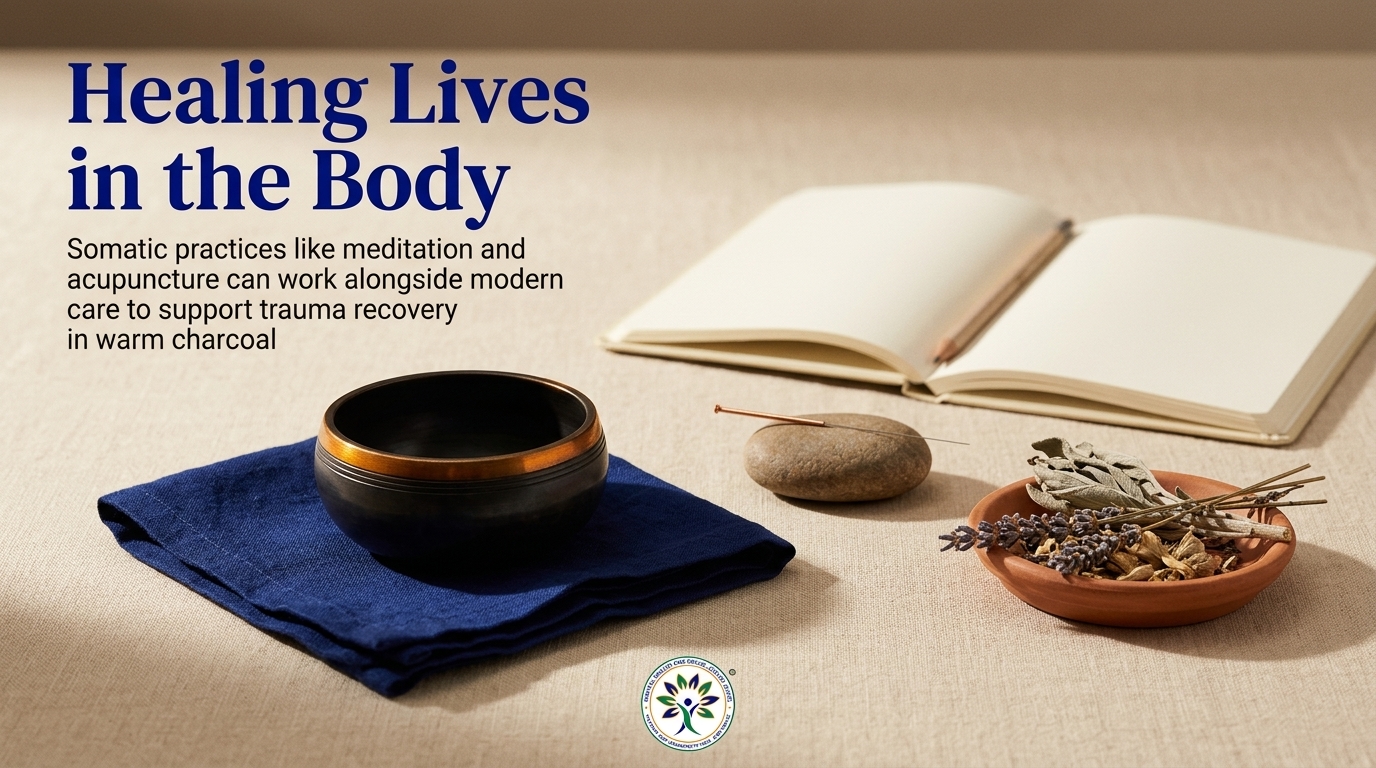
Somatic practices offer a different path by focusing on how your body holds stress. Techniques like meditation and acupuncture tap into your body’s natural ability to recover. They help calm your nervous system, making it easier to feel safe and relaxed. When combined with traditional therapy, these methods provide a fuller healing experience. Imagine feeling grounded and calm by addressing both your mind and body.
Complementing Modern Medicine
Combining modern medicine with somatic practices gives you a comprehensive approach to healing. Let’s look at some practices that support this balance.
Meditation for Nervous System Regulation
Meditation is a powerful tool that helps you regulate your nervous system. By focusing on your breath, you can calm your mind and body. This practice helps reduce stress and anxiety, making it easier to navigate daily challenges. Many people notice improvements in their mood and energy levels with regular meditation. This guide on somatic meditation offers practical tips for starting your meditation journey.
Acupuncture for Stress Relief
Acupuncture is another effective method for relieving stress. By targeting specific points on your body, acupuncture can release tension and promote relaxation. It’s a gentle way to support your body’s natural healing processes. Many find acupuncture reduces their stress levels and improves their sleep. This Harvard article provides insights into how acupuncture can complement trauma recovery.
Integrating Yoga and Art Therapy
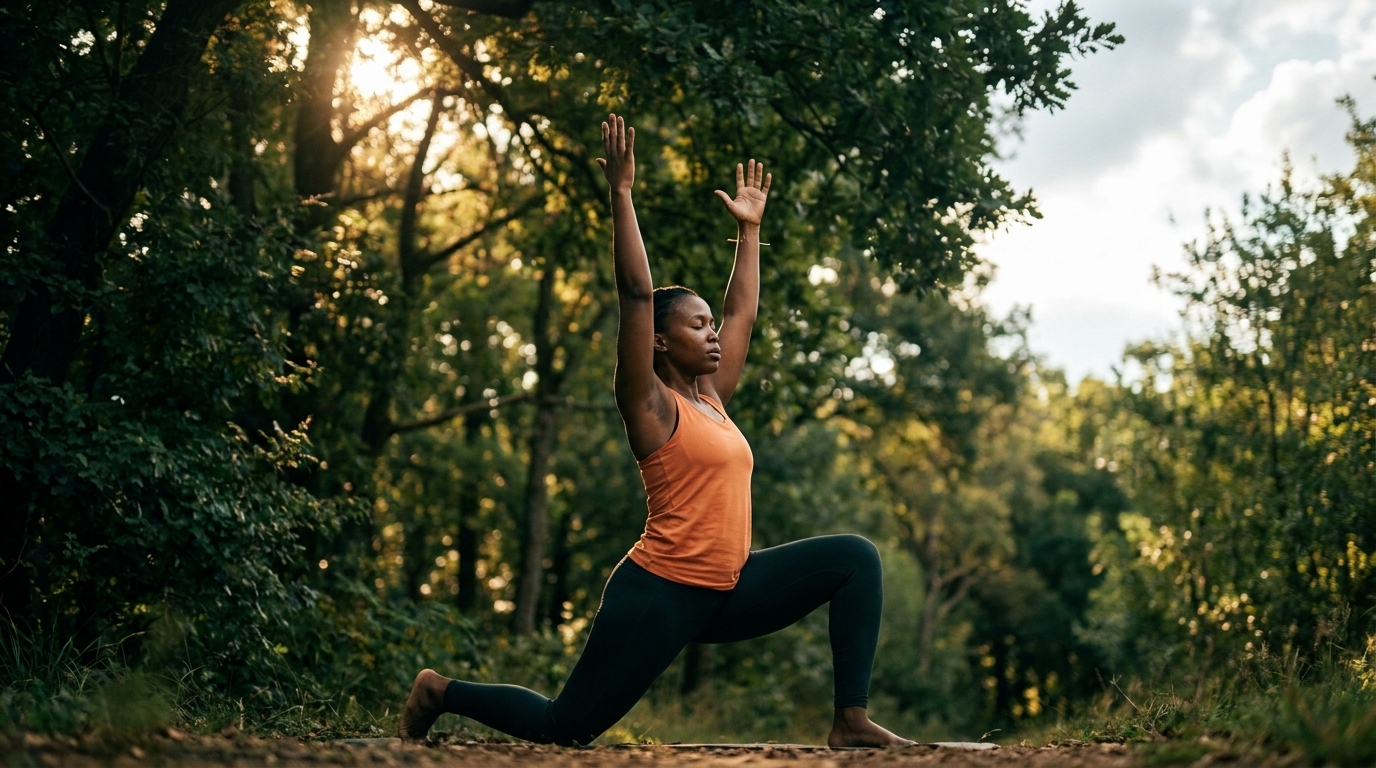
Yoga and art therapy offer creative outlets for healing. Yoga helps you connect with your body through movement, enhancing your sense of stability. Art therapy encourages expression in non-verbal ways, allowing you to explore emotions that words can’t capture. These practices foster a deeper understanding of yourself. This resource explains more about how these therapies support healing.
MHSJC’s Holistic Approach
At MHSJC, we believe in a holistic approach that combines multiple therapies to aid recovery. Here’s how we integrate these practices into our care.
Combining Therapy and Somatics
We pair traditional therapy with somatic practices to provide comprehensive care. This approach ensures you address both mental and physical aspects of trauma. It’s a balanced way to support lasting change. By combining these therapies, you can experience more profound healing and resilience.
Social Justice in Mental Health
Our services extend beyond the individual, incorporating social justice principles. We work to address systemic issues impacting mental health. This focus ensures our care is inclusive and equitable, helping to create a supportive community for everyone.
Community Workshops and Support
MHSJC offers workshops that foster community and provide education on healing practices. These sessions are accessible and open to all, encouraging a sense of belonging. By participating, you learn valuable skills that support your well-being. These workshops are a testament to our commitment to community-driven care.
Frequently Asked Questions
What is somatic therapy?
Somatic therapy focuses on the connection between the mind and body. It helps release physical tension from trauma, allowing for deeper healing.
How does acupuncture help with trauma recovery?
Acupuncture targets specific points to reduce stress and promote relaxation. It complements other therapies by supporting the body’s natural healing processes.
Can I practice meditation at home?
Yes, meditation is accessible and can be done at home. Start with short, guided sessions to help you focus and gradually increase the time as you become more comfortable.
What is the benefit of combining different therapies?
Combining therapies addresses both mental and physical aspects of trauma, offering a more comprehensive healing experience.
How can I get involved with MHSJC’s community workshops?
Our workshops are open to everyone interested in learning about holistic healing practices. Visit our website or contact us for more information on upcoming sessions.