

People often write off changes in mood, energy, sleep, or interest as just stress or tiredness. But these shifts can be the early signs of depression that many miss. Spotting these signs in your community helps you respond with kindness and guide loved ones toward care that meets their full needs. This guide breaks down those everyday changes and shows you how to take the next steps with confidence. For more information, you can check this resource.
Recognizing Early Signs of Depression
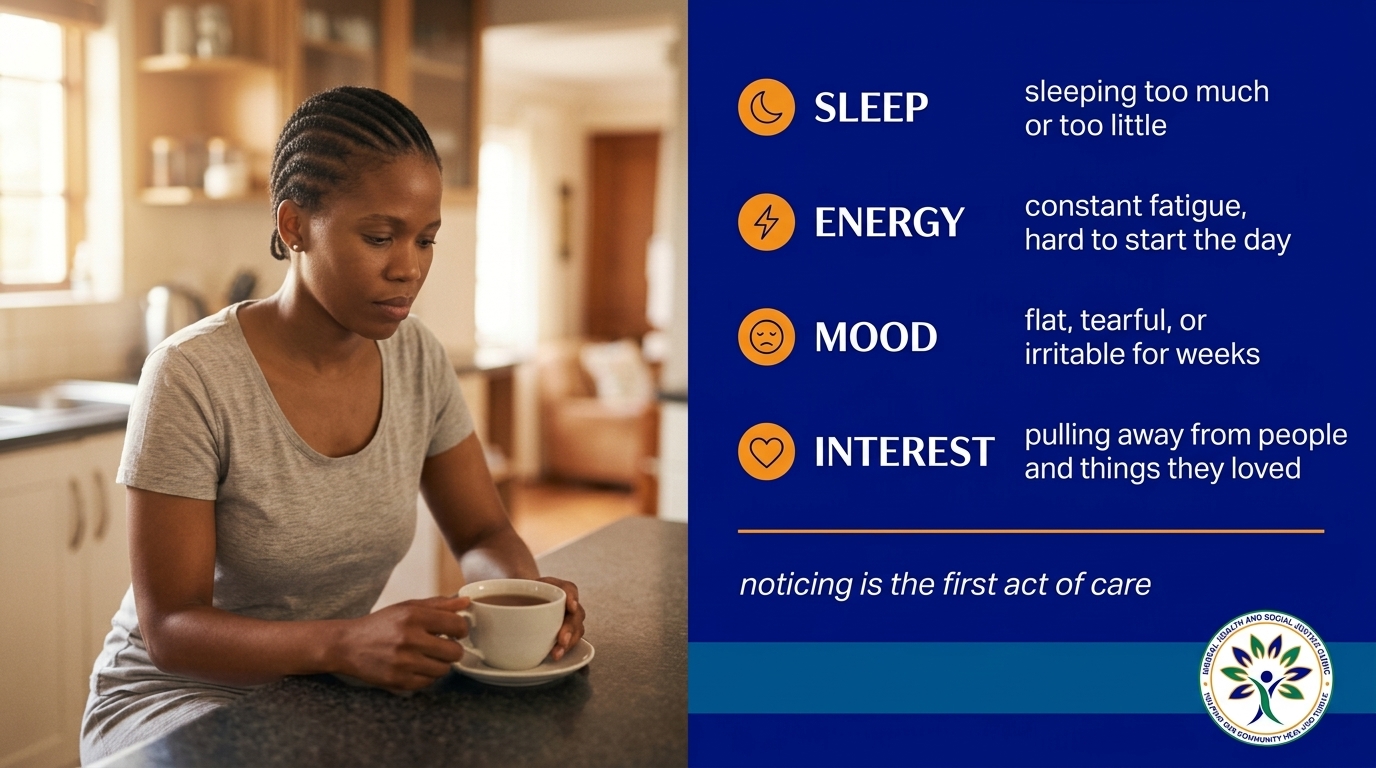
Spotting depression early can make a huge difference. These subtle shifts often start with mood, energy, and sleep. Paying attention to these changes is the first step to offering support.
Mood Changes and Depression
Mood swings, irritability, or persistent sadness can signal something deeper. If you notice these signs in someone, it’s worth a conversation. A sudden drop in enthusiasm or an increase in emotional responses might indicate depression. Encourage open dialogue. Listening without judgment makes a world of difference. It helps them feel seen and understood. Simple actions, like a chat or a shared activity, can lift spirits and show them they’re not alone. Remember: recognizing these changes is the first step to compassion.
Low Energy and Depression
Feeling tired isn’t just about lack of sleep. Depression often saps energy, making daily tasks feel overwhelming. When energy levels drop, it’s more than just being tired. Depression can make everything feel like a chore. You might see someone pulling away from activities they once loved. If you notice this, gently check in. Ask how they’re doing and if they need help. Suggest a walk or another light activity to boost energy. It’s about showing up and being there, which can greatly affect their well-being.
Sleep Changes and Depression
Sleep disturbances are often dismissed, but they can be red flags. Insomnia or oversleeping can both be indicators of depression. Notice if someone struggles with sleep. It might be more than just a restless night. Encourage a consistent routine or suggest relaxation techniques before bed. A warm cup of herbal tea or a calming bedtime read can promote better sleep. If sleep issues persist, gently suggest they chat with a professional. Sleep is vital for emotional health and catching these signs early can lead to the right support.
Responding with Compassion
Recognizing signs is the first step. Responding with kindness and understanding is crucial. Here’s how you can offer meaningful support.
Loss of Interest and Connection
When someone starts losing interest in things they once loved, it’s a signal. This withdrawal can be a cry for help. This loss can feel isolating. Encourage them to reconnect with activities in small, manageable ways. Invite them to join a group activity or a casual meet-up. Sometimes, just offering your company can reignite their spark. Connection is key. It helps combat feelings of isolation and reminds them they’re not alone in their journey.
Trauma-Informed Therapy South Africa
Understanding the root of depression is crucial. Trauma can often be a hidden cause. Trauma-informed therapy is a specialized approach that acknowledges past experiences. In South Africa, the Mental Health and Social Justice Clinic offers such therapy, focusing on individual stories and needs. This approach builds trust and creates a safe space for healing. If trauma is a factor, exploring this therapy can be transformative. It’s about creating an environment where they feel safe to heal and grow.
Holistic Mental Health Care
Mental health care isn’t one-size-fits-all. A holistic approach considers the whole person, not just symptoms. This includes incorporating body-based therapies like yoga, art, and mindfulness. These practices support mental health by promoting relaxation and self-awareness. Encouraging someone to try these can be beneficial. It offers new tools for managing depression. Holistic care considers the mind, body, and spirit, providing a comprehensive path to wellness.
Community Support and Resources

Leverage community resources to support mental health. These resources enhance well-being and offer collective strength.
Somatic Therapy: Yoga, Art, Mindfulness
Somatic therapy offers more than traditional talk therapy. It involves the body in healing, which can be incredibly effective. Activities like yoga and art allow for expression and release. Mindfulness helps ground and center emotions. Encourage exploring these therapies. They offer new ways to cope and heal. Engaging in somatic practices can empower individuals, helping them reconnect with their bodies and emotions in a healthy way.
Community Care Workshops and Donations
Community workshops provide education and support. They foster a sense of belonging and offer practical tools. Supporting these initiatives through donations can expand their reach. They’re an opportunity to learn, grow, and connect. Engage with local workshops or consider supporting through donations. Every bit helps in spreading awareness and fostering a supportive community environment.
South Africa Nonprofit Clinic Initiatives
Nonprofit clinics like the Mental Health and Social Justice Clinic are vital. They provide affordable and accessible care to those in need. These initiatives ensure that care reaches everyone, regardless of their situation. Supporting these clinics means supporting community health. Consider getting involved or donating to keep these services available. Your support can make a significant impact on community well-being.
Frequently Asked Questions
What are subtle signs of depression?
Subtle signs include changes in mood, energy, sleep patterns, and loss of interest in activities. These shifts often appear before more obvious symptoms.
How can I help someone showing early signs of depression?
Listen without judgment and engage in open conversations. Encourage small activities to stay connected and consider suggesting professional help if needed.
What is trauma-informed therapy?
Trauma-informed therapy acknowledges past traumas and focuses on creating a safe space for healing. It tailors therapy to individual experiences, promoting trust and understanding.
Why is holistic care important for mental health?
Holistic care addresses the whole person—mind, body, and spirit. It incorporates diverse therapies to support overall wellness and provide comprehensive care.
How can community support mental health?
Community support includes workshops, group activities, and nonprofit initiatives. These resources provide education, connection, and accessible care to enhance mental well-being.