
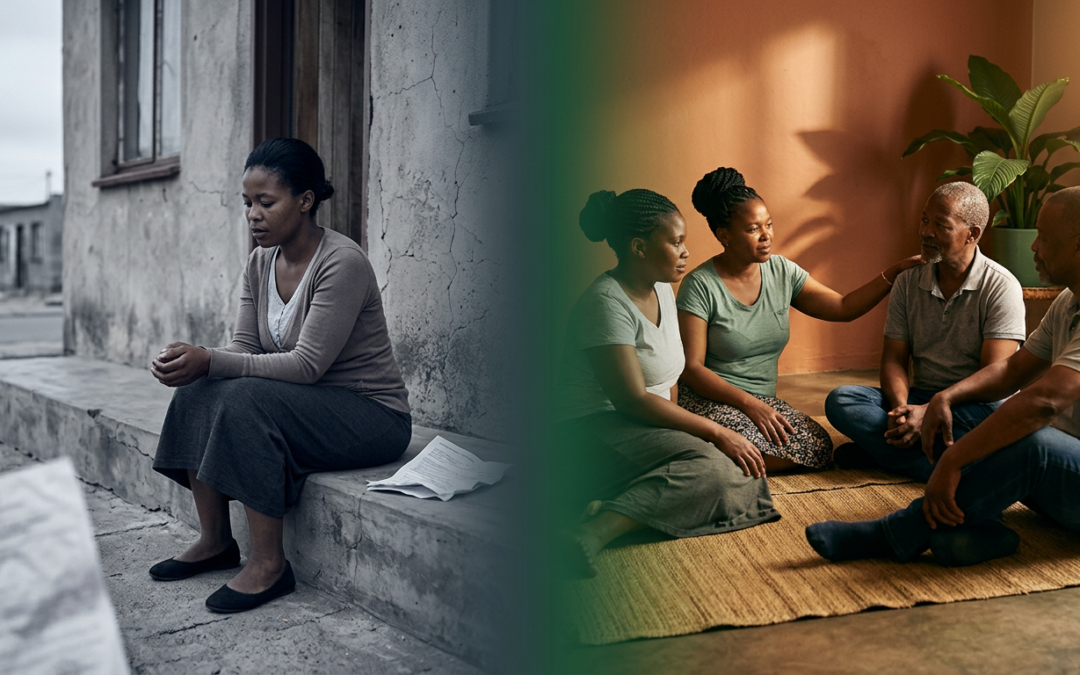
Trauma runs deep in South Africa, but therapy alone can’t erase the weight of poverty, stigma, and systemic exclusion that many carry. Trauma-informed care South Africa needs must name these roots and fight for justice alongside healing. When care tackles both the pain and the unfair conditions behind it, real recovery becomes possible. Read on to see why social justice belongs at the heart of trauma support—and how MHSJC’s approach offers more than therapy alone. Learn more.
Urgency of Integrating Social Justice
In South Africa, trauma often intertwines with systemic issues. Addressing both is essential for true recovery. Let’s explore the connection between trauma and the injustices surrounding it.
Layers of Trauma and Oppression
Many people experience trauma that goes beyond personal incidents. They also face systemic barriers like poverty and exclusion. It’s not just about individual pain; it’s about conditions that affect daily life. These layers of trauma and oppression compound challenges, making healing even harder.
For instance, a person might seek therapy for anxiety. Still, the roots of their stress may lie in a lack of access to basic needs or a history of being marginalized. Addressing only the surface level of trauma fails to offer a comprehensive solution.
When we look at trauma from this angle, the need for social justice becomes clear. By tackling these underlying issues, we create a pathway to more sustainable healing. This approach acknowledges that recovery must include changes in the environment, not just within the individual.
Beyond Therapy: Addressing Injustices
Therapy can be a powerful tool, but it must be part of a broader strategy. Addressing the injustices that contribute to trauma is equally vital. This means looking at the bigger picture and seeking solutions that extend beyond personal therapy sessions.
Imagine a community where mental health services also include advocacy for better living conditions. This approach can significantly impact those who struggle with both mental health issues and systemic oppression. In such an environment, therapy doesn’t just treat symptoms; it works hand in hand with efforts to improve the community’s overall well-being.
By integrating social justice into mental health care, we ensure that support is comprehensive. It becomes about healing individuals and transforming the conditions that affect their lives. This dual focus is what makes MHSJC’s approach stand out.
Social Justice in Healing Models
Understanding the role of social justice in healing models offers hope for deeper recovery. Let’s look at how therapy can bridge with advocacy to empower communities.
Bridging Therapy and Advocacy
To make a meaningful impact, therapy must connect with advocacy. This means not just talking about change, but actively working toward it. Such an approach empowers individuals and communities to fight for their rights and improve their circumstances.
One way we do this is by offering services that extend outside the clinic. We collaborate with local activists and organizations to address issues like housing and education. This partnership ensures that mental health care also contributes to creating fairer conditions for everyone involved.
There’s no doubt that when therapy and advocacy come together, the results are profound. They create a ripple effect that inspires change and fosters a sense of empowerment within communities. This holistic model is about more than treating trauma—it’s about giving people the tools they need to reshape their environment.
Community Support as a Catalyst
Community support plays a crucial role in healing. It’s not just an add-on; it’s a catalyst for change. When communities come together to support each other, the impact on mental health is significant.
Think of community workshops where people share experiences and learn from one another. These gatherings are more than educational; they offer a space for healing through connection. Together, people discover that they are not alone in their struggles, which can be incredibly empowering.
This sense of community helps build resilience and encourages individuals to take action. By fostering a supportive environment, we create opportunities for genuine transformation. Community support becomes a vital part of the healing process, offering both comfort and empowerment.
Pathways to Holistic Recovery
Holistic recovery requires integrating various strategies. Combining somatic therapy and community building offers a well-rounded approach to healing.
Somatic Therapy and Empowerment
Somatic therapy is a powerful tool in trauma recovery. It focuses on the connection between mind and body, offering healing that addresses both areas. Techniques like yoga and art therapy help individuals process trauma in a safe, supportive environment.
For example, yoga therapy for trauma can help people release stored tension and find relaxation. This practice supports mental health by promoting mindfulness and reducing stress. Similarly, art therapy offers an expressive outlet where individuals can explore emotions without words.
By incorporating these therapies, we empower people to take an active role in their healing journey. This empowerment is crucial because it gives individuals the confidence to face challenges and work toward recovery.
Building Resilient Communities 🌍
Resilient communities are key to lasting change. When people come together to support one another, they create a network of strength and solidarity. This collective resilience can drive social change and improve mental health outcomes.
At MHSJC, we focus on building these networks through community workshops and outreach programs. We engage people in discussions about social justice and mental health, encouraging them to take part in shaping a better future.
Building resilient communities involves education, support, and action. It’s about equipping individuals with the knowledge and tools they need to advocate for themselves and others. Together, we can create communities where healing and justice are at the forefront, paving the way for a brighter, more equitable future.