

Most trauma care focuses on helping you cope alone. But what if healing could also shine a light on the unfair systems that keep pain alive? At the Mental Health and Social Justice Clinic, trauma-informed care in South Africa means supporting your body and mind while giving you tools to challenge the social forces behind your suffering. This fresh approach brings real relief and power to marginalized communities ready to heal and rise. Learn more about the role of trauma counseling in social justice here.
Rethinking Trauma Care
Beyond Individual Coping
Many believe trauma care is only about individual coping, but real healing involves more. Imagine a world where healing includes confronting the systems that perpetuate pain. This is what the Mental Health and Social Justice Clinic offers. You gain not just relief from personal distress, but also a voice to challenge social injustice.
Empowering Personal and Structural Healing
Trauma recovery should empower you, not just soothe you. At our clinic, healing means addressing both personal wounds and the societal structures that keep reopening them. You learn to understand the roots of your pain, which is key to lasting recovery. Social justice education is a part of this journey, helping you gain the tools needed for systemic change. This holistic approach is what sets us apart in trauma-informed care in South Africa.
Holistic Healing Approaches
Somatic and Art Therapy
Somatic and art therapy offer creative paths to healing. Imagine expressing emotions through art, letting colors and shapes speak when words fail. It’s a powerful form of self-discovery. Somatic therapy takes healing into the body, recognizing that trauma often lodges itself physically. Movement and touch therapies help release stored tension and pave the way for emotional release. This method supports trauma recovery support by integrating body and mind, promoting holistic mental health.
Mindfulness and Yoga for Trauma
Mindfulness and yoga are more than trendy buzzwords; they are profound tools for healing. When you practice mindfulness, you anchor yourself in the present, reducing anxiety and fostering clarity. Yoga, on the other hand, marries movement with breath, offering a sanctuary from mental turmoil. These practices are particularly effective in trauma recovery, teaching you to control your response to stress. In this way, they enhance your journey toward mindfulness-based healing.
Community and Social Justice
Naming Systemic Injustice
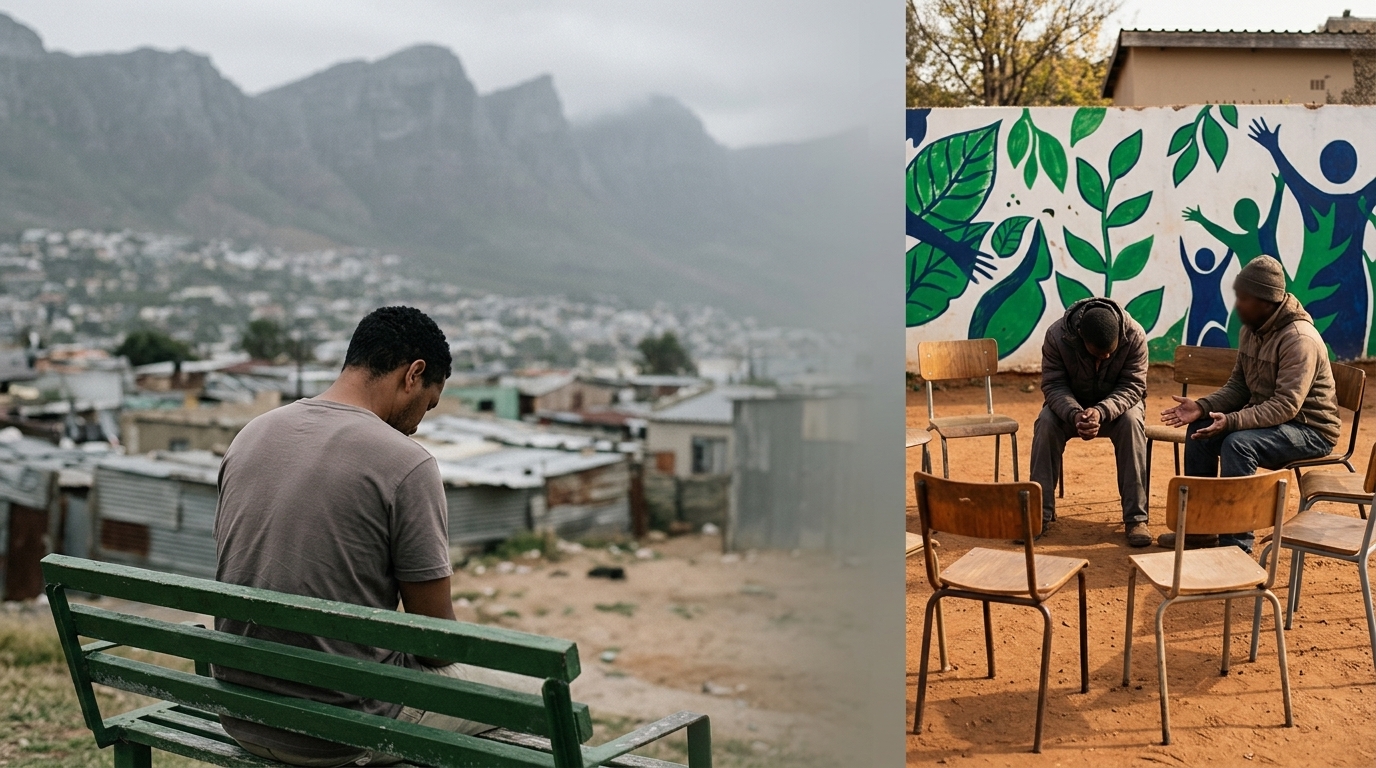
True healing cannot ignore the social conditions that create trauma. At the Mental Health and Social Justice Clinic, we emphasize naming these injustices. By identifying the societal factors that contribute to trauma, you gain a broader understanding of your experience. This awareness is a crucial step in addressing trauma and systemic injustice. It empowers you to challenge the structures that perpetuate suffering, turning healing into a form of activism.
Workshops and Peer Support Groups
Healing thrives in community. Our workshops and peer support groups provide a safe space to share and grow. Here, you connect with others who understand your journey, building a network of support. These platforms also offer social justice education, helping you develop the skills to become a change agent in your community. It’s a space where personal growth meets collective empowerment, essential for those interested in holistic mental health and social justice.
🌟
Frequently Asked Questions
What Is Trauma-Informed Care?
Trauma-informed care is an approach that acknowledges the impact of trauma on individuals and integrates this understanding into treatment. It focuses on safety, trustworthiness, and empowerment, recognizing the widespread effects of trauma.
How Do Somatic Therapies Help in Trauma Recovery?
Somatic therapies help by addressing trauma stored in the body. They use physical movement to release tension and stress, aiding emotional and physical recovery and improving overall well-being.
Why Is Social Justice Important in Mental Health?
Social justice is crucial because it addresses the systemic issues contributing to mental health challenges. By focusing on these broader factors, mental health care can offer more comprehensive and effective support.
How Can Mindfulness Benefit Trauma Survivors?
Mindfulness helps trauma survivors by teaching them to live in the present, reducing anxiety and intrusive thoughts. It promotes emotional regulation and resilience, aiding in the recovery process.
What Are Peer Support Groups?
Peer support groups are gatherings where individuals with similar experiences share insights and offer mutual support. They provide a sense of community and understanding, which is vital for healing.