

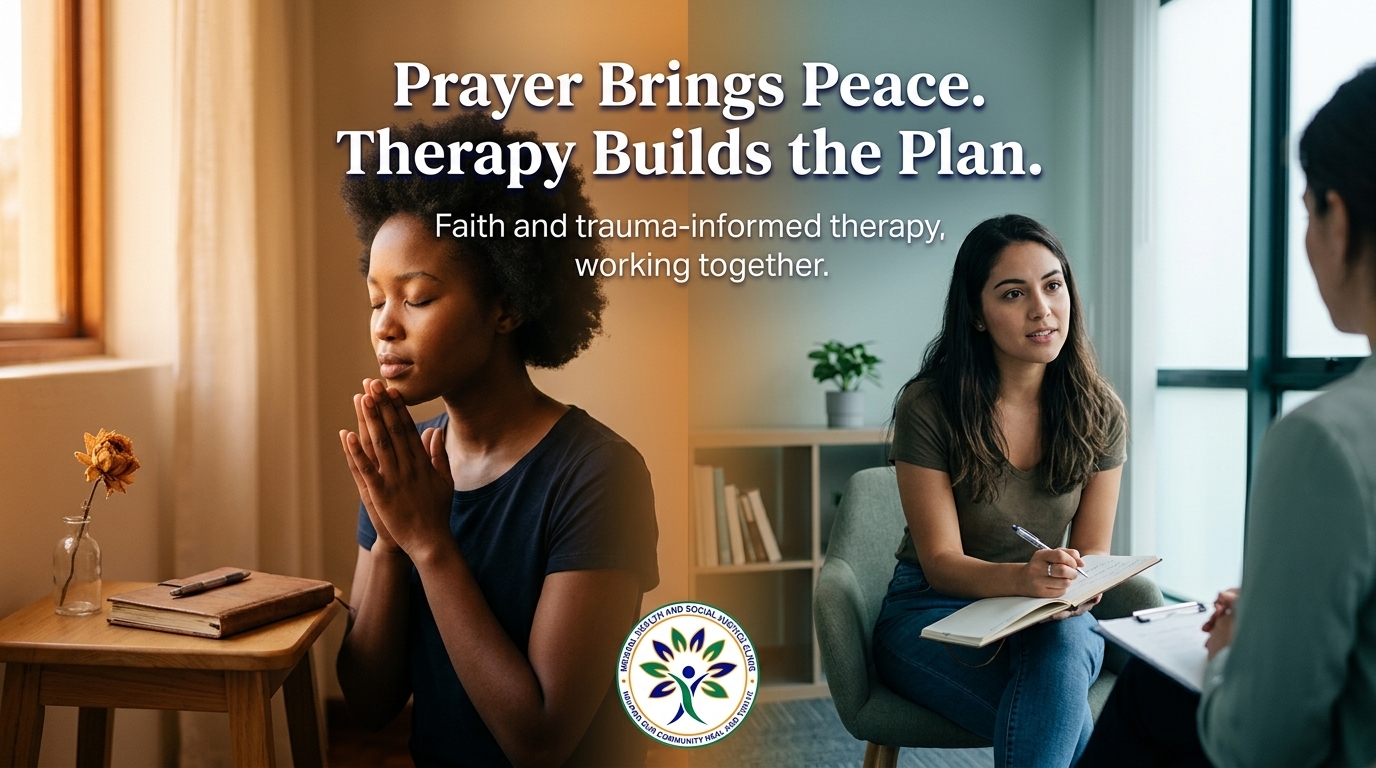
Prayer can calm your spirit in moments of pain. Yet, lasting change in how you think and act takes more than quiet reflection. Trauma-informed therapy South Africa offers practical steps and skills that work alongside your faith to build that change. At MHSJC, we honor your spiritual path while guiding you through a clear plan to reshape thoughts and behaviors. Keep reading to see how faith and therapy combine to support real healing.
Faith and Peace in Healing
Power of Prayer in Recovery
Prayer holds a unique place in your healing journey. It provides comfort and solace, especially during tough times. The feeling of peace it brings can be immediate and soothing. When you pray, you connect with something greater than yourself, offering relief from stress and worry. This spiritual practice can ground you, helping calm the storm inside.
But prayer alone might not address all aspects of healing. While it can bring peace, pairing it with therapy can create a more comprehensive approach. Therapy offers practical tools to tackle persistent issues that prayer might not fully resolve. This combination ensures your spiritual practices align with actionable steps for mental health recovery.
Integrating Faith in Therapy
Bringing faith into therapy is about respecting your beliefs while working toward healing. At MHSJC, your faith is a vital part of the process. Therapy sessions can incorporate spiritual understanding, making them more relevant and effective. You don’t have to choose between faith and professional help; they can complement each other.
Therapists trained in trauma-informed care understand the importance of faith in healing. They help you use spiritual insights alongside therapy techniques. This integration creates a safe space where you can explore your beliefs and gain practical skills for mental health management. In this way, faith and therapy work together to foster real change.
Therapy’s Role in Sustainable Change
Building a Trauma Recovery Plan
Creating a clear plan is crucial for trauma recovery. Therapy helps you outline steps that guide your healing journey. You start by identifying the areas that need attention, like recurring thoughts or behaviors causing distress. This plan becomes a roadmap, offering structure and direction in your recovery.
In therapy, you work on setting achievable goals. These goals keep you focused and motivated. They might include practicing mindfulness or attending regular therapy sessions. Each step forward brings you closer to healing, reinforcing that change is possible with the right support.
Skills for Lasting Behavior Change
Therapy equips you with skills needed for lasting change. These skills help alter negative thought patterns and behaviors. Techniques like CBT and DBT are used to teach coping strategies. They provide frameworks for understanding your reactions and finding healthier ways to respond.
Through therapy, you learn to manage stress and anxiety more effectively. Skills such as mindfulness and grounding techniques become tools you can use daily. They empower you to handle challenges with resilience. With continued practice, these skills lead to meaningful, long-lasting changes in how you think and act.
Holistic Approaches to Mental Health
Incorporating Somatic Therapy Yoga
Somatic therapy yoga integrates movement and mindfulness, offering a unique healing approach. This practice helps you connect with your body, releasing stored tension and trauma. Through guided sessions, you learn to breathe deeply and move with intention, fostering a sense of calm and balance.
Yoga enhances your mental health by reducing stress and promoting relaxation. It’s a gentle way to explore your emotions, allowing them to surface and heal. As you practice, you’ll notice improved emotional regulation and a stronger mind-body connection. This holistic approach supports both physical and mental well-being.
Exploring Art and Cooking Therapy
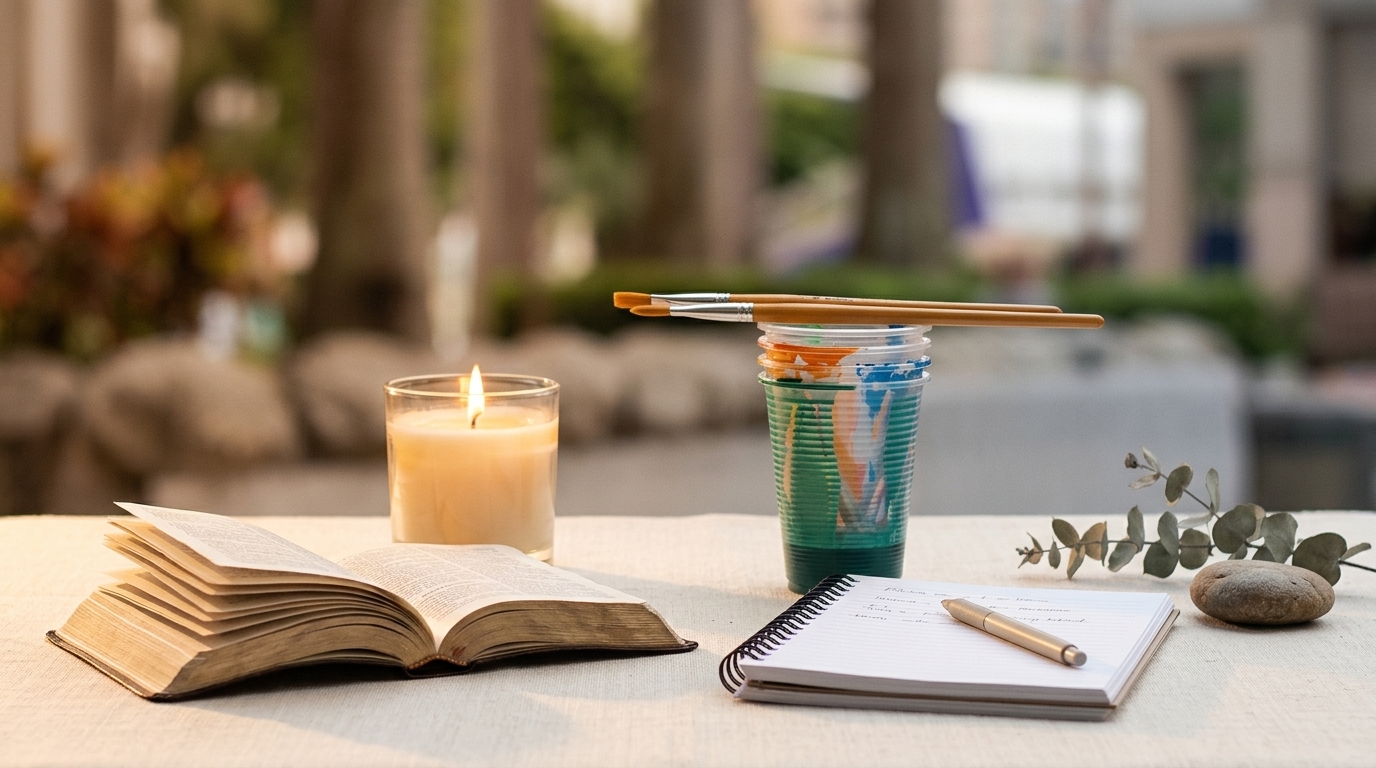
Art and cooking therapy offer creative outlets for expression and healing. Art therapy allows you to explore emotions through drawing, painting, or crafting. It’s a non-verbal way to process feelings and gain insights into your mental state. Engaging in art can be therapeutic, helping to uncover underlying issues.
Cooking therapy, launching in August 2024, will provide another avenue for healing. Preparing meals mindfully can be meditative, offering opportunities for reflection and connection. Both art and cooking therapy support trauma recovery by encouraging creativity and mindfulness, fostering growth and healing from within.
Frequently Asked Questions
Can prayer and therapy work together for healing?
Yes, prayer and therapy can complement each other in the healing process. Prayer provides spiritual comfort, while therapy offers practical tools for mental health recovery.
What are the benefits of integrating faith into therapy?
Integrating faith into therapy respects your beliefs and enhances the healing process. It allows spiritual insights to work alongside therapy techniques for a more comprehensive approach.
How does a trauma recovery plan help in therapy?
A trauma recovery plan provides structure and direction. It outlines steps and goals for healing, helping you focus and stay motivated throughout the recovery journey.
What skills can therapy teach for behavior change?
Therapy teaches skills like mindfulness and coping strategies. Techniques such as CBT and DBT help alter negative thought patterns, promoting lasting behavior change.
What is somatic therapy yoga?
Somatic therapy yoga integrates movement and mindfulness to support mental health. It helps release stored tension and trauma, fostering a calm and balanced mind-body connection.