
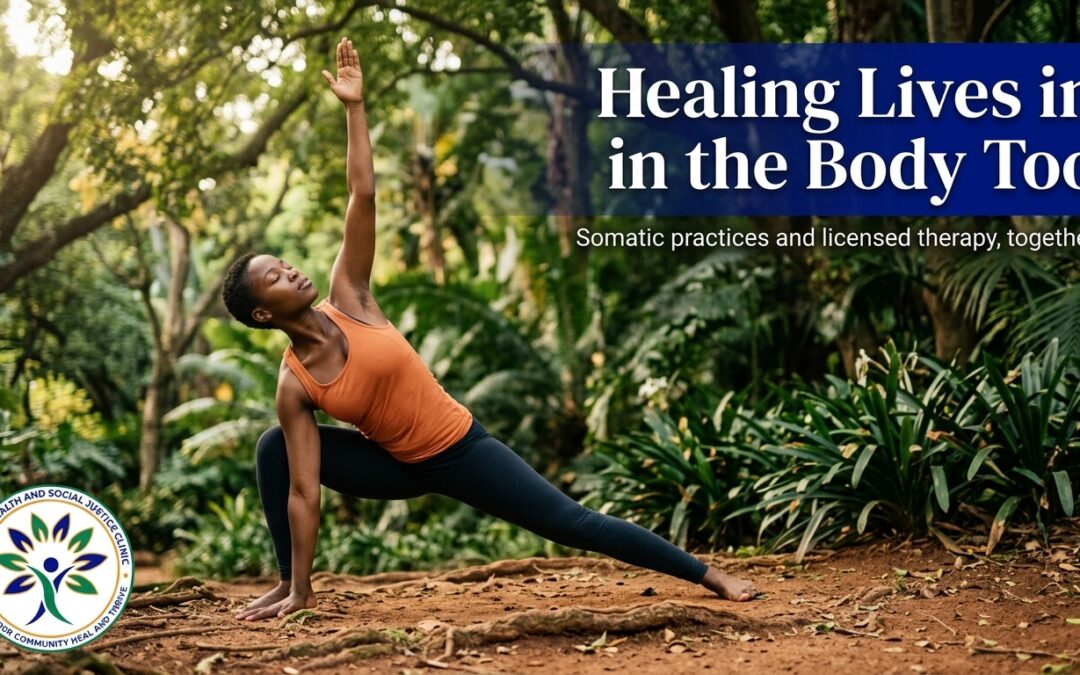
Trauma healing rarely follows a single path, especially in communities shaped by long histories of struggle. At MHSJC, we combine licensed trauma care with somatic therapy South Africa trusts—yoga, acupuncture, mindfulness, and art therapy Johannesburg—to create a holistic mental health clinic experience. This connected approach helps you move between professional support and body-based healing that feels safe and sustainable. Ready to explore how these practices fit into real trauma recovery support? Learn more about somatic therapy here.
Bridging Skepticism with Somatic Practices
Healing from trauma can feel daunting, especially if you’re unsure whether somatic therapies like yoga or acupuncture truly fit into your care plan. It’s time to explore how these practices work alongside traditional trauma-informed care.
The Role of Somatic Therapy in Healing
Somatic therapy focuses on the mind-body connection, helping you address trauma stored in your physical self. You may find yoga for trauma and mindfulness for trauma helpful in reconnecting with your body safely. Many people discover that incorporating these practices can ease emotional distress, leading to better mental health outcomes.
Consider art therapy, which transforms creative expression into a therapeutic tool. By engaging in art therapy Johannesburg residents trust, you allow emotions to surface in a controlled and safe environment, where they can be processed and understood. This is one way somatic therapy South Africa offers can make a tangible difference in your healing journey.
Integrating Mindfulness and Acupuncture
Mindfulness for trauma involves being present and aware without judgment. It’s a powerful tool for reducing anxiety and developing a compassionate relationship with yourself. In our holistic mental health clinic, mindfulness practices are integrated with other therapies to reinforce your healing process.
Acupuncture for PTSD is another practice that complements traditional care. By using specific points on the body, acupuncture aims to release tension and promote relaxation. Research suggests that combining acupuncture with conventional therapy can improve trauma recovery support. Explore more about complementary therapies here.
Addressing Concerns about Safety
Safety is paramount when considering any treatment. Understandably, you might be skeptical about the effectiveness and safety of somatic therapies. However, studies have shown that these practices, when conducted by experienced professionals, can provide safe and supportive environments for healing. They offer a gentle way to engage with trauma, helping you feel more in control of your recovery. Read more on complementary therapies.
Community-Centered Trauma Recovery
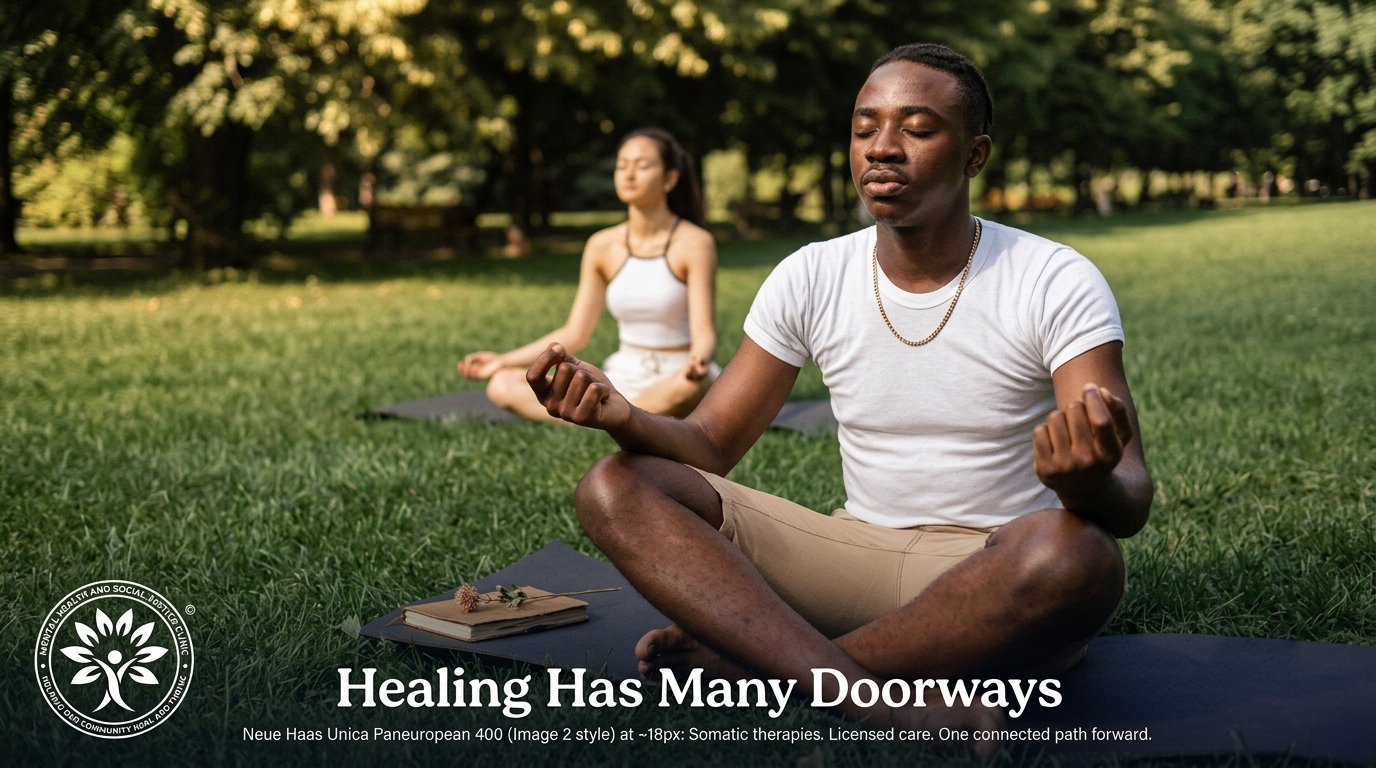
A sense of community plays a crucial role in healing trauma, especially in environments where systemic marginalization is a reality. Accessible care becomes vital for sustainable recovery.
The Importance of Accessible Care
Access to trauma-informed care South Africa can trust is essential. Many people worry about barriers like cost or stigma, but our holistic approach ensures you can access services that are both affordable and culturally responsive. This focus on accessibility means you have the freedom to choose self-scheduling and appointment reminders through our client portal, reducing friction in your healing process.
Supporting Healing Through Workshops
Community workshops are a cornerstone of our treatment approach. They provide a space for shared experiences, where you can learn new coping strategies and connect with others on similar journeys. These workshops often include sessions on embodied healing practices, giving you hands-on opportunities to explore therapies like yoga for trauma in a supportive setting.
Engaging the Community in Mental Health
Mental health is not just an individual journey. It’s a community effort. By engaging with social justice and mental health initiatives, you’re contributing to a broader movement that supports healing and systemic change. This engagement empowers you and helps dismantle stigma, fostering an environment where everyone can thrive.
A Pathway to Sustainable Healing
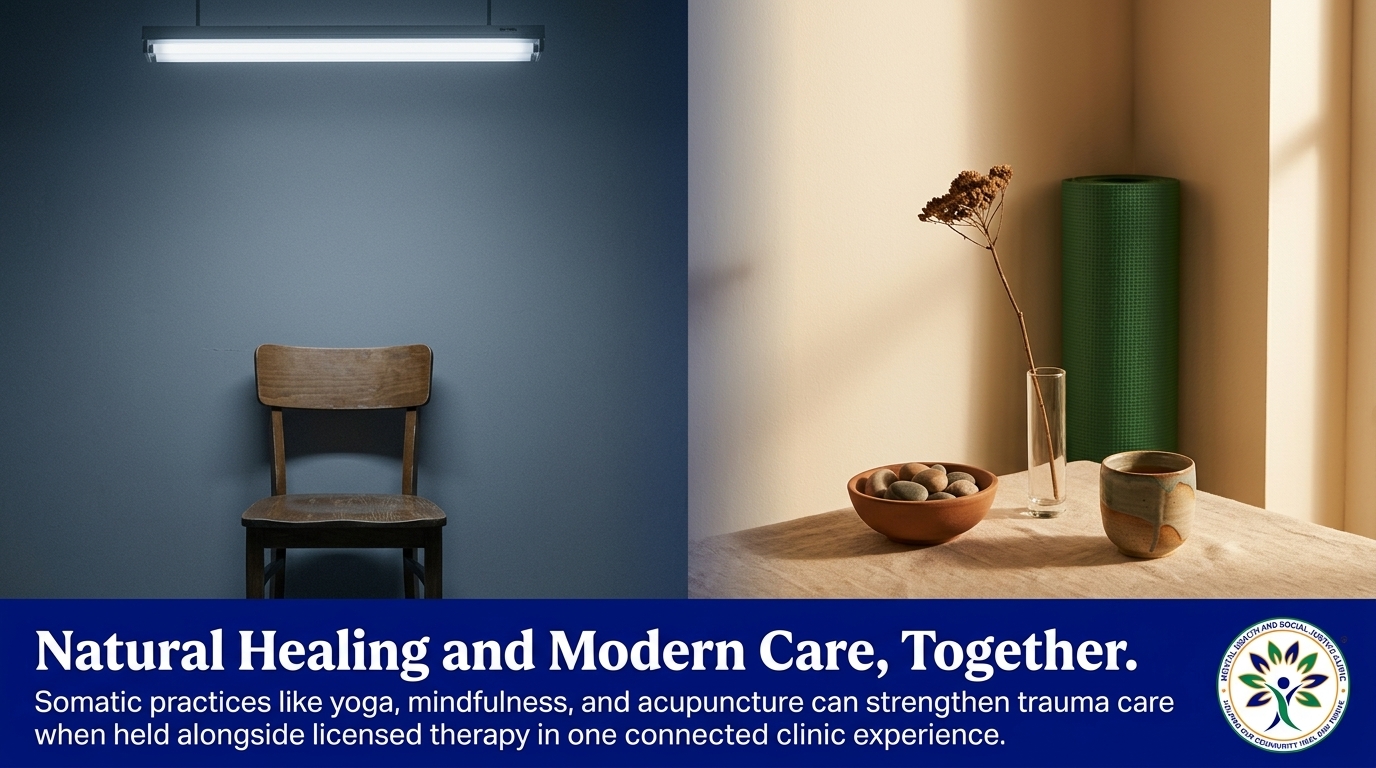
Maintaining progress in trauma recovery requires sustainable practices. At MHSJC, we emphasize tools that support long-term healing and empowerment.
The Benefits of Self-Scheduling and Reminders
Having control over your care schedule is empowering. Our client portal self-scheduling feature allows you to book appointments at your convenience, ensuring that therapy fits seamlessly into your life. These reminders help you stay committed to your healing journey, providing continuity and reducing the risk of missed sessions.
Empowering Through Culturally Responsive Therapy
Culturally responsive therapy acknowledges your unique background and experiences, integrating them into your care plan. This approach not only respects your identity but also enhances the effectiveness of therapies like mindfulness for trauma. By tailoring treatment to your cultural needs, you feel seen and supported throughout your journey.
Ways to Support and Participate in Healing
Your involvement doesn’t stop at receiving care. By participating in community mental health initiatives and supporting programs through donations, you become an active change-maker. This participation not only aids your healing but also contributes to the well-being of others in your community. Every effort helps build a more inclusive and supportive environment for trauma recovery support.
🌿🧘♂️💙
Frequently Asked Questions
What is somatic therapy, and how does it help with trauma?
Somatic therapy connects the mind and body, addressing trauma stored physically. It helps release tension and emotional distress, promoting healing through practices like yoga and mindfulness.
How can acupuncture support PTSD recovery?
Acupuncture targets specific body points to release tension and promote relaxation. When combined with traditional therapy, it can enhance recovery by reducing anxiety and improving overall well-being.
Are community workshops effective in trauma recovery?
Yes, community workshops provide shared experiences and practical coping strategies. They offer support and connection, which are crucial for sustainable trauma recovery.