

Trauma healing isn’t just talk. It starts with a licensed clinical evaluation and grows through practices that calm your body and mind. At MHSJC, we combine trauma-informed therapy South Africa trusts with yoga, art, mindfulness, and group drumming to create a clear path from assessment to deep healing. This approach helps you feel supported both inside the clinic and in your daily life. Ready to see how this powerful blend works? https://www.mhsjc.co.za
Licensed Care’s Foundation
Let’s start with a strong base. This means licensed clinical care that sets the stage for healing. At MHSJC, it’s more than just words. It’s a real process that begins with understanding your needs.
Clinical Assessment and Evaluation
Your path to healing at MHSJC begins with a detailed assessment. This step is crucial because it sets the direction for your therapy. Licensed professionals conduct evaluations to identify your specific needs. This isn’t a one-size-fits-all approach. Instead, it’s a personalized plan crafted just for you.
In this phase, therapists listen to your story. They use their expertise to map out a treatment plan. This plan isn’t static. It evolves as you progress, ensuring your care remains relevant and effective. With a foundation built on understanding, you’re ready to explore more ways to heal.
Trauma-Informed Care in South Africa
Trauma-informed therapy South Africa trusts is about creating a safe space. It’s about recognizing the impact of trauma and understanding the paths to recovery. Our approach is built on empathy and respect. We acknowledge the unique experiences each person brings.
This care respects your journey. Therapists at MHSJC are trained to support you without judgment. Our goal is to empower you by providing the tools you need. With this support, you can begin to see the possibilities of healing in everyday life.
Extending Healing with Somatic Therapies
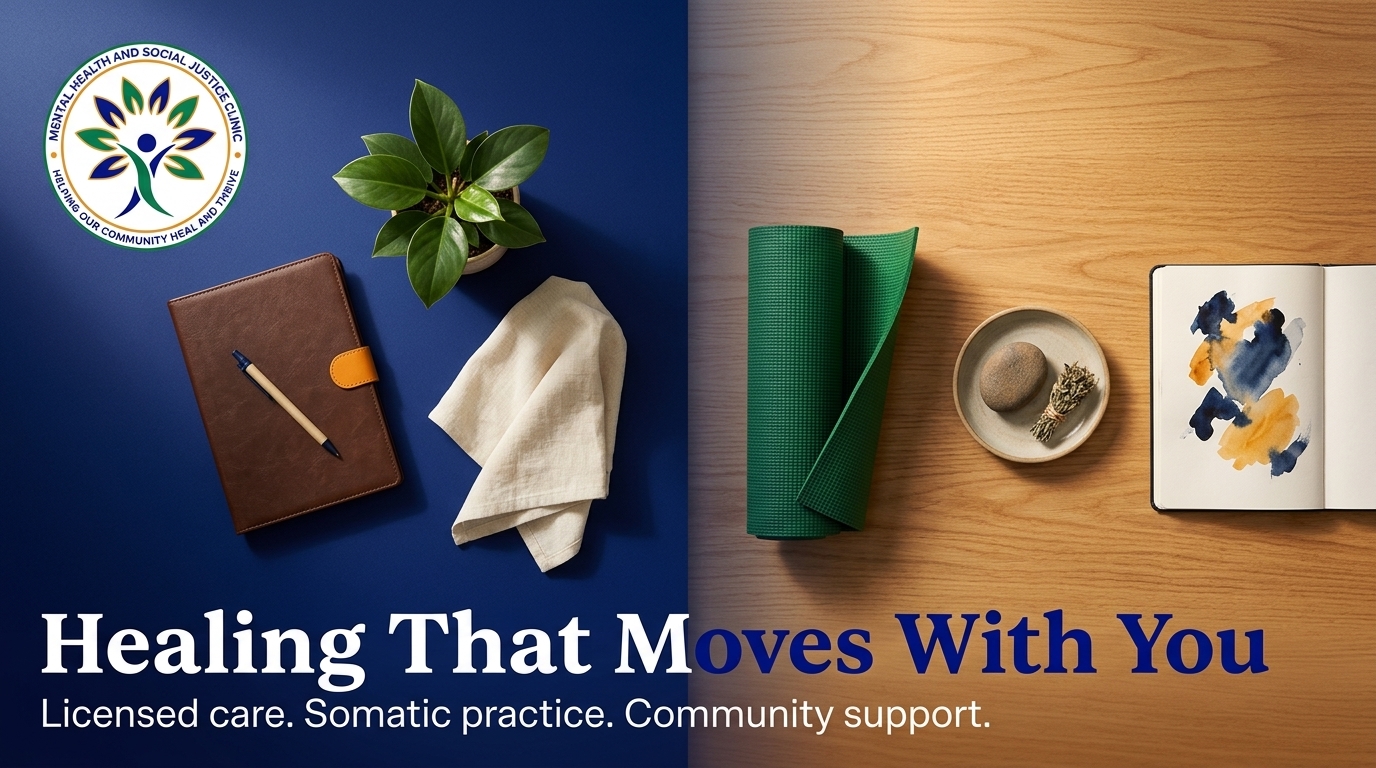
After establishing a solid foundation, it’s time to integrate the body into healing. Somatic therapies connect the mind and body, offering new avenues for recovery.
Yoga and Mindfulness Practices
Imagine feeling grounded through yoga. It’s not just exercise; it’s a way to connect with yourself. We use yoga for trauma recovery to help calm the mind and body. Mindfulness complements this practice, teaching you to stay present in the moment.
These practices are accessible to everyone. Whether you’re new or experienced, yoga and mindfulness can be tailored to your needs. They offer a gentle way to explore emotions and reduce stress. Over time, they become tools you can use in daily life, helping you build resilience.
Art and Group Drumming for PTSD
Creativity can heal. Art therapy for PTSD allows you to express what words cannot. Through colors and shapes, you can explore feelings and experiences safely. Each session is a step toward understanding yourself better.
Group drumming therapy adds a communal aspect to healing. It’s about rhythm and connection. Drumming in a group fosters a sense of belonging and shared experience. The beat becomes a way to release tension and find balance. Together, these practices offer a dynamic way to engage with healing.
Acupuncture and Natural Medicines
Integrating natural medicines and modern medicine can enhance your healing journey. Acupuncture for anxiety and stress offers relief through ancient techniques. It’s about restoring balance to your body’s energy.
Natural medicines complement acupuncture. They’re used carefully, alongside modern treatments, to provide holistic mental health care. This blend of tradition and modernity ensures comprehensive support for your recovery.
Building a Trauma Recovery Community
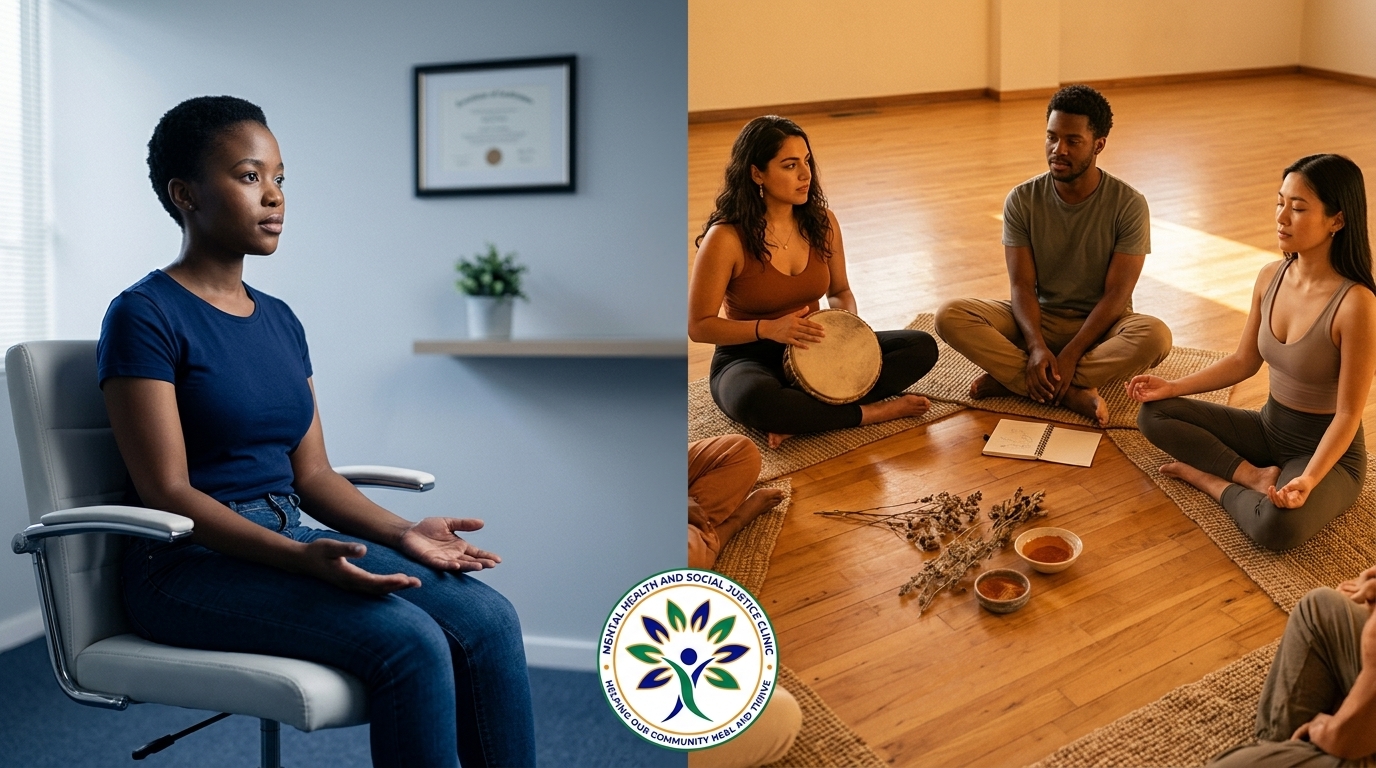
Healing goes beyond the individual. It’s about building a supportive community that fosters growth and resilience.
Community Workshops and Social Justice
Workshops at MHSJC focus on community mental health South Africa needs. These sessions offer a space to learn and connect. They’re designed to empower you, providing tools to navigate life’s challenges.
Social justice and mental health are deeply connected. MHSJC emphasizes the importance of addressing systemic issues. By participating, you contribute to a larger movement for change, helping create a world where everyone can thrive.
Sliding-Scale Counseling and Accessibility
Access to care should never be a barrier. Sliding-scale counseling South Africa ensures that financial circumstances don’t limit your healing journey. MHSJC is committed to making therapy accessible for all.
This approach is part of our trauma recovery pathway. It reflects our belief that everyone deserves quality care, regardless of their situation. By removing barriers, we open doors to healing for more people.
Encouraging Donations and Support 🌟
Your support makes a difference. Donations help sustain our programs and expand our reach. They allow us to offer more services and touch more lives.
Consider contributing to our mission. Your help empowers us to continue providing vital support to those in need. Together, we can build a community that heals and grows.
Frequently Asked Questions
What is trauma-informed therapy?
Trauma-informed therapy is an approach that acknowledges the impact of trauma and focuses on creating a safe, supportive environment for healing. It respects each individual’s journey and tailors care to their needs.
How does yoga help with trauma recovery?
Yoga for trauma recovery helps by calming the mind and body. It encourages mindfulness and presence, offering a non-invasive way to process emotions and reduce stress.
What are the benefits of group drumming therapy?
Group drumming therapy fosters a sense of community and connection. It provides a safe space to express emotions through rhythm, helping release tension and promote balance.
Why is sliding-scale counseling important?
Sliding-scale counseling ensures that therapy is accessible to everyone, regardless of financial circumstances. It removes barriers to care, allowing more people to begin their healing journey.
How can I support MHSJC’s mission?
You can support MHSJC by making a donation. Your contributions help sustain our programs and expand our services, allowing us to reach more people in need of support.