
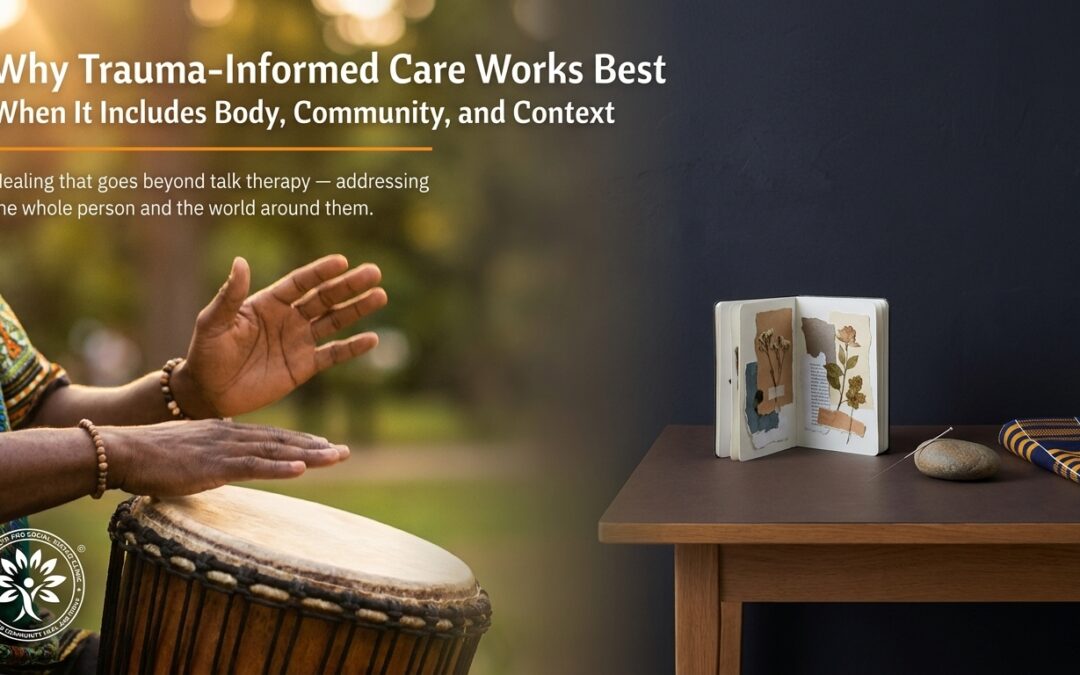
Trauma-informed care in South Africa is more than just talk. Many wounds run deep in the body, the community, and the social conditions that shape daily life. At MHSJC, healing combines yoga, art, mindfulness, acupuncture, and community support because true recovery for marginalized communities requires attention to all these layers. If you want trauma support that reflects your reality, this approach offers a fuller path to relief and dignity. Learn more about the shift towards healing-centered engagement here.
Body-Based Healing Practices
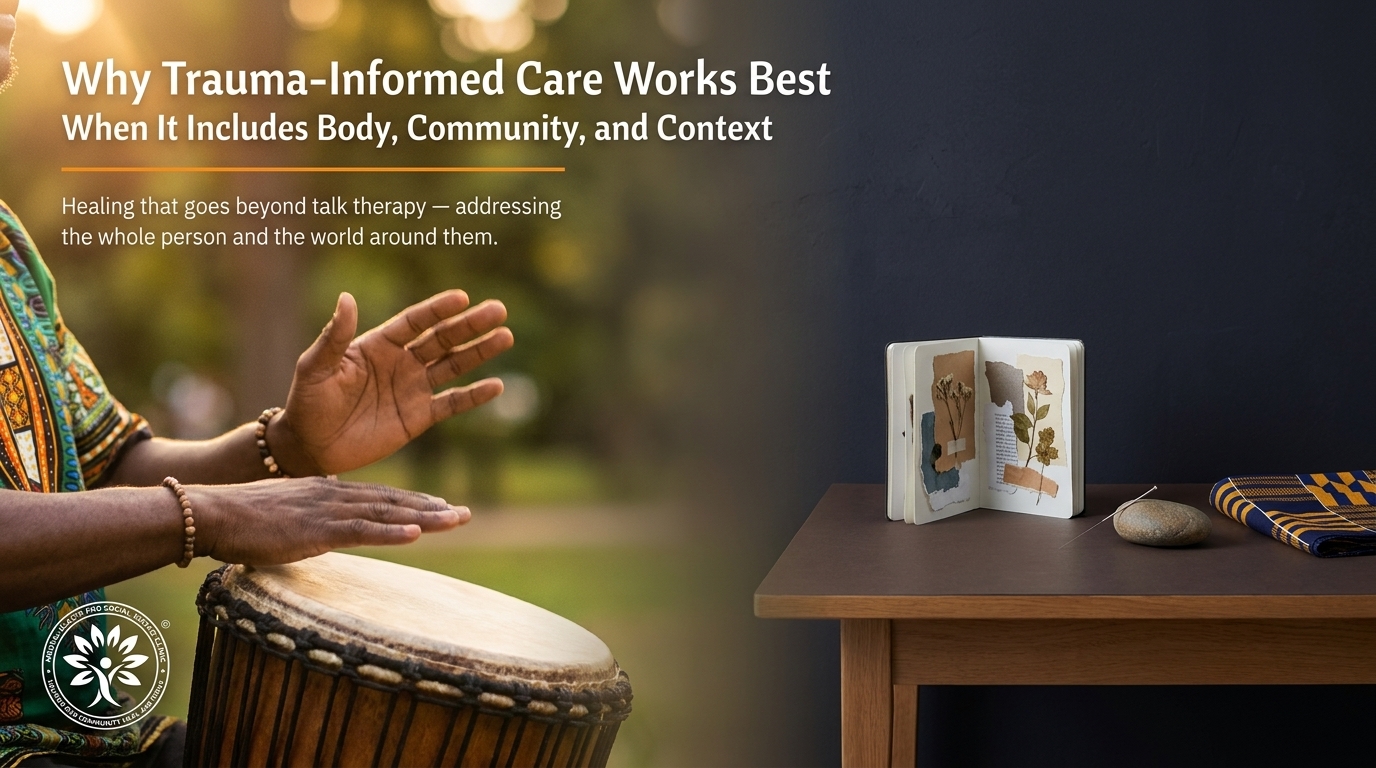
Healing trauma isn’t just about talking. It’s about involving the whole body. Body-based practices offer another layer of recovery that words alone can’t reach.
Somatic Therapy for Trauma
Somatic therapy focuses on the body’s sensations. It’s an approach that helps you connect physical feelings to emotional processes. When trauma impacts you, it isn’t just in your mind. It can affect your entire body. By listening to your body’s signals, you can begin to address and release trauma stored there. Here’s the key insight: this therapy helps you tap into healing where you store stress, offering relief that talk therapy alone might miss. Research supports this approach, showing that the body can hold onto trauma, impacting health and wellbeing. Check out more about this approach here.
Yoga Therapy and Trauma Recovery
Yoga isn’t just a physical practice, it’s a journey to healing. By focusing on breath and movement, yoga helps reduce stress and anxiety. It’s a practice that calms the nervous system, offering respite from the mental whirlwind. When you connect with your breath, you find a sense of peace and presence. This is powerful in trauma recovery. Most people think yoga is only about flexibility, but it’s a tool for emotional healing as well. Imagine feeling centered and calm, no matter the chaos around you. Yoga therapy offers this pathway. Discover more about its benefits here.
Art Therapy South Africa
Art therapy invites you to express what words cannot. When trauma makes it hard to verbalize feelings, art becomes a powerful outlet. Painting, drawing, or sculpting can help you explore your emotions safely. In South Africa, this approach is gaining traction as a way to connect with inner experiences. Art therapy provides a non-verbal space for healing, allowing you to express and process in your own unique way. This can be particularly beneficial in communities where verbal expression might be limited by cultural norms or language barriers. Explore how art therapy is making a difference in trauma recovery here.
Community Support Systems
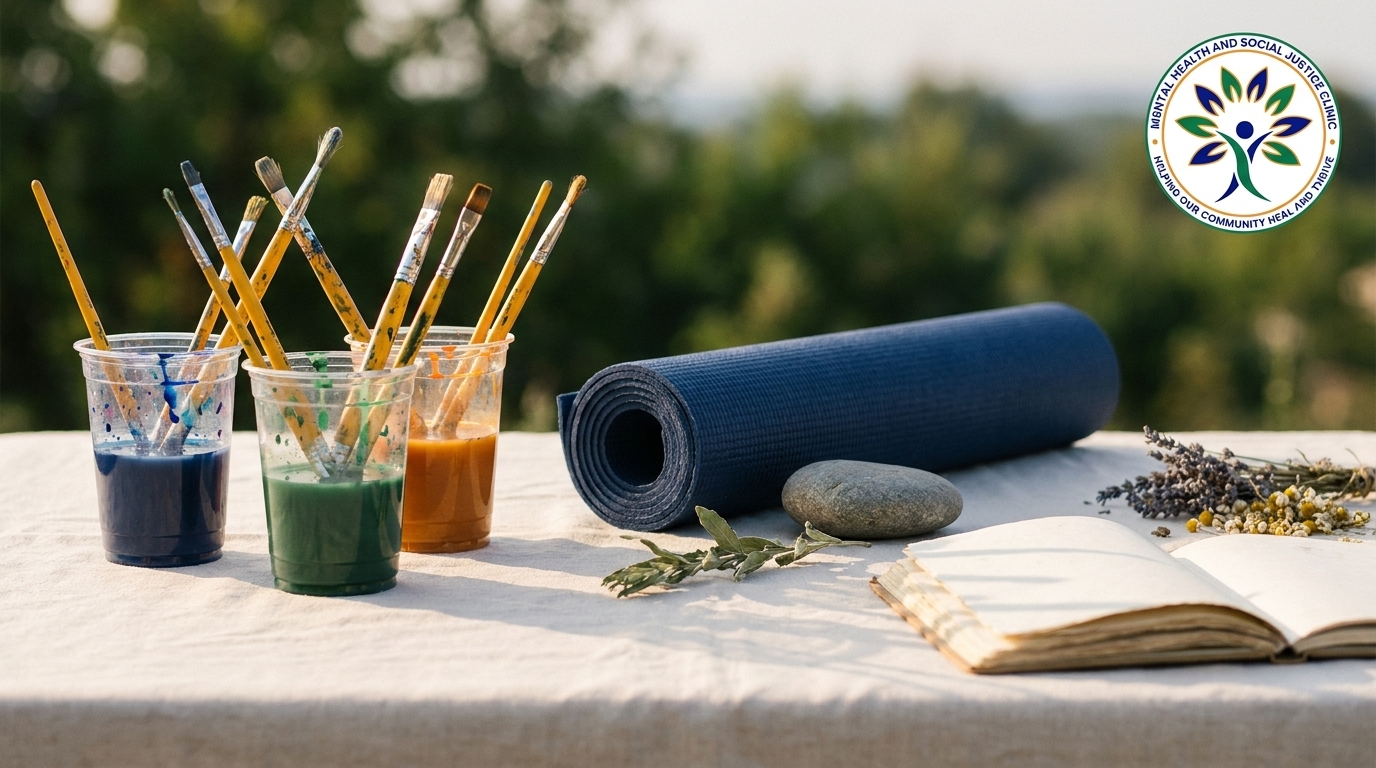
Beyond individual healing, community support plays a crucial role. It’s about connecting with others who understand your journey. This shared experience can be incredibly empowering.
Community Mental Health Programmes
Community mental health programmes create spaces for collective healing. They offer resources and support that may not be accessible otherwise. These programmes focus on bringing people together, fostering a sense of belonging and community. Whether through group therapy sessions or community workshops, these initiatives help you realize you’re not alone in your struggles. This collective approach can be transformative, offering a support system that extends beyond individual therapy. See how community mental health programmes are impacting lives here.
Social Justice and Mental Health
Social justice is inherently tied to mental health. Inequality and systemic oppression contribute to trauma, creating barriers to healing. Addressing these issues is crucial for true recovery. When communities advocate for social justice, they work to dismantle the systems that perpetuate trauma. This creates an environment where healing is possible. Imagine living in a world where everyone has equal access to mental health resources. This vision is what drives social justice initiatives within mental health frameworks. Explore the intersection of social justice and mental health here.
Healing Marginalized Communities
Healing marginalized communities requires a holistic approach. It’s not just about providing services but addressing the root causes of trauma. Marginalized groups often face unique challenges that mainstream systems overlook. By focusing on these communities, we can offer targeted support that acknowledges their specific needs and experiences. This means creating programmes that address not only mental health but also the social conditions contributing to trauma. Learn more about this comprehensive approach here.
Social Conditions and Trauma
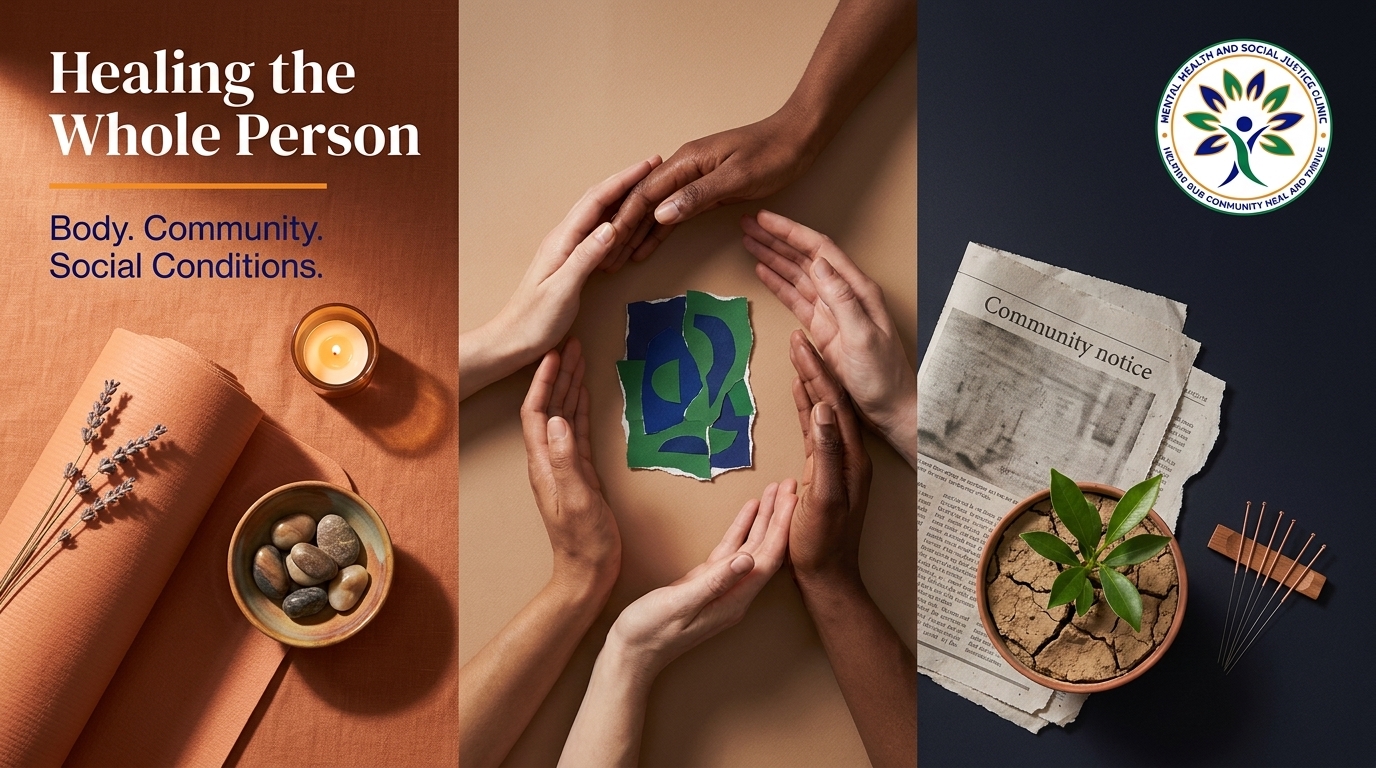
Trauma doesn’t exist in a vacuum. It’s influenced by the social conditions surrounding you. Understanding this connection is key to effective healing.
Trauma and Systemic Inequality
Systemic inequality often exacerbates trauma. When marginalized groups face discrimination, it compounds their stress and emotional burden. It’s important to recognize how systemic issues contribute to personal trauma. By acknowledging these factors, we can work towards solutions that address the root causes. This involves challenging societal norms and advocating for change. Most people think trauma is a personal issue, but it’s often tied to larger social structures. Explore the role of systemic inequality in trauma here.
Holistic Mental Health Approaches
Holistic mental health involves looking at the whole picture. It’s not just about treating symptoms but understanding the broader context. This approach integrates various therapies, addressing mental, physical, and social aspects of health. By considering all these factors, you can achieve more comprehensive healing. Imagine having a support system that considers every aspect of your wellbeing. Holistic mental health offers this kind of care, ensuring that no part of your experience is overlooked. Learn more about holistic mental health here.
Sliding-Scale Counseling South Africa
Accessibility is crucial in mental health care. Sliding-scale counseling makes services more affordable, ensuring everyone can access the help they need. This model adjusts fees based on income, removing financial barriers. In South Africa, where economic disparities are significant, this approach is essential. It ensures that even those with limited resources can receive quality care. By offering sliding-scale options, mental health services become more inclusive and equitable. Discover the benefits of sliding-scale counseling here.
By weaving together body-based practices, community support, and an understanding of social conditions, trauma-informed care becomes a comprehensive framework for healing. This approach not only addresses immediate needs but also works towards long-term change. At MHSJC, we believe in this holistic model, offering a path to recovery that truly reflects your reality.