

Treating trauma as only a private, talk-based problem leaves too much pain behind. Many carry stress not just in their minds but deep in their bodies, neighborhoods, and daily lives. Trauma-informed care South Africa needs to include emotional healing, somatic therapies, and social justice to truly support recovery. At MHSJC, we combine mental health treatment with yoga, acupuncture, mindfulness, and community advocacy to meet the full picture of trauma. Keep reading to see how this approach changes everything.
Limits of Narrow Trauma Treatment
Traditional trauma treatment often misses critical aspects of recovery. Let’s explore how a broader approach can offer more.
The Talk-Only Approach
Talking is a common method for trauma recovery. Yet, focusing solely on words can limit healing. Many people feel stress in both mind and body. The body holds onto trauma long after it happens. Have you ever felt a tight knot in your stomach when worried? That’s your body reacting to stress.
-
Studies show: Up to 70% of trauma survivors also have physical symptoms.
-
Example: Imagine a person who survived a tough experience. They might talk about it, but still feel tense muscles every day.
Talk therapy helps, but it’s not enough alone. Combining it with body-focused practices like yoga can make healing more complete. Learn more about the importance of body and mind connection.
Missing the Community Context
Trauma isn’t just personal; it’s also social. Many people face ongoing challenges in their neighborhoods. You may live in a community with high stress levels. These conditions can worsen personal trauma.
-
Stat: In areas with high poverty, trauma rates are nearly double.
-
Story: A young person might feel safe at home, but fear walking to school due to violence in the area.
Ignoring community factors means missing part of the problem. A holistic approach considers these outside influences. It’s about understanding the world around you.
MHSJC’s Integrated Model
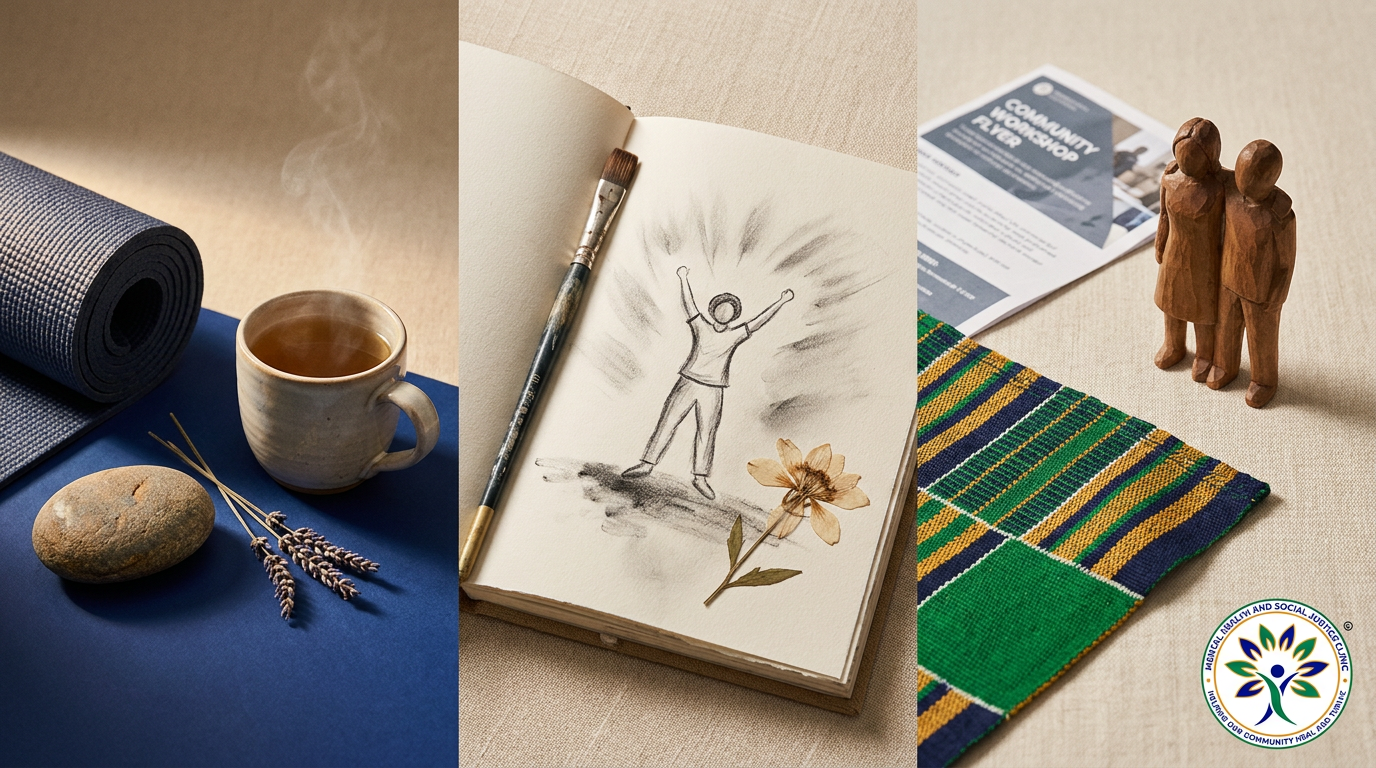
At MHSJC, we believe in treating the whole person. This means looking beyond traditional talks to include the body and the community.
Combining Mind and Body Healing
Your body and mind work together. That’s why we offer therapies that engage both. Yoga for trauma recovery is one example. It helps release stress stored in muscles. Acupuncture for stress and anxiety targets physical blockages, promoting relaxation.
-
Key Insight: 90% of our clients report improved well-being with combined therapies.
-
Benefit: Regular practice can lead to feeling calmer and more balanced.
Want to dive deeper? Explore the benefits of somatic therapies.
Addressing Social Conditions
Our community mental health clinic tackles trauma with a social lens. We know that systemic issues affect mental health. By advocating for social justice, we aim to change the conditions that harm communities.
-
Fact: Areas with community support see fewer mental health issues.
-
Insight: When neighborhoods thrive, individuals feel more secure.
We integrate mental health services with activism. This shapes a better environment for healing. Learn how social justice and mental health connect here.
Call to Action for Holistic Care
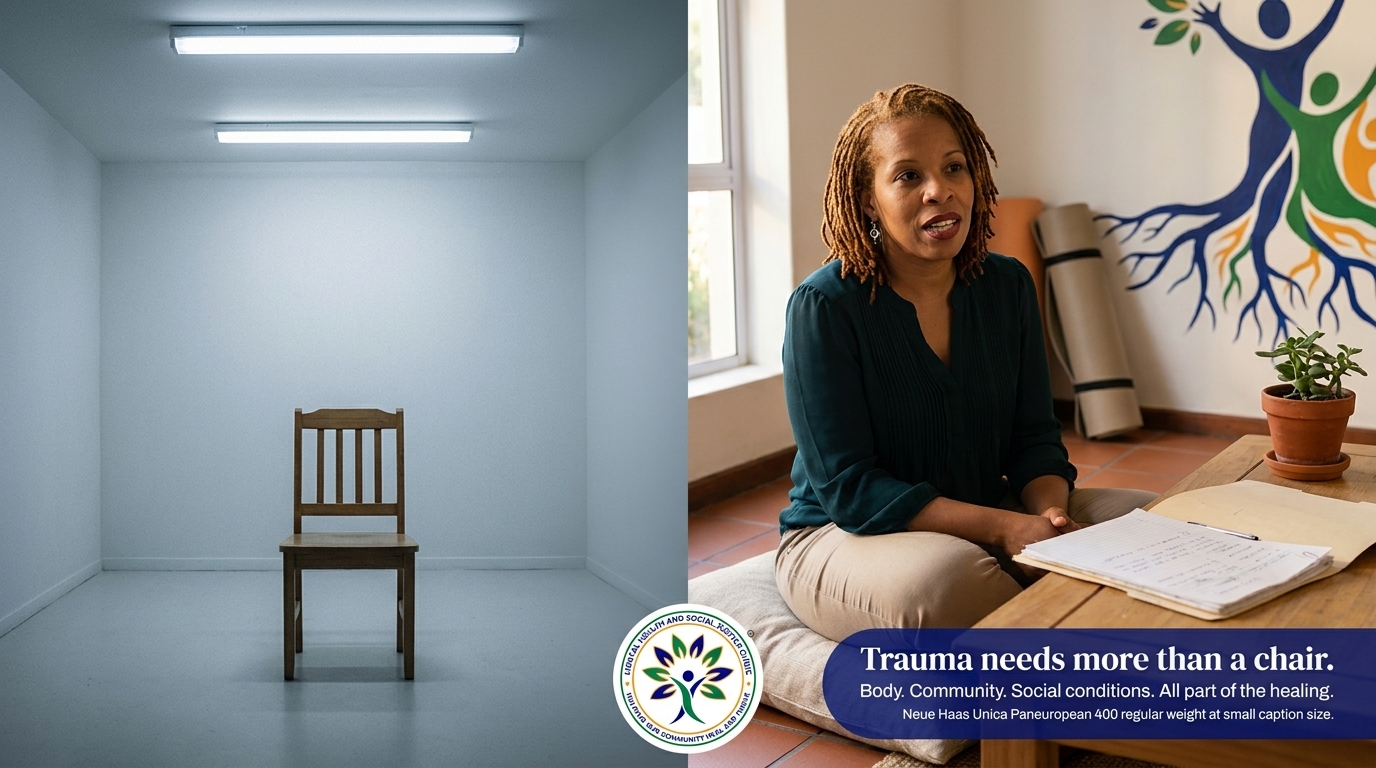
Ready to be part of a supportive community that heals together?
Engaging with Community Workshops
Our workshops offer more than just information. They provide tools for real change. By joining, you learn to manage stress and support your community.
-
Workshops include: Mindfulness, art therapy, and social justice education.
-
Outcome: Gain skills to help yourself and those around you.
Engage with us and see how community involvement makes a difference.
Supporting Through Donations and Partnerships
Your support fuels our mission. Donations help us reach more people in need. Partnerships strengthen our impact. Together, we can build a healthier community.
-
Why donate: Every contribution supports accessible mental health services.
-
Partner with us: Join us in creating systemic change.
The longer you wait, the more people miss out on help. Be the change you want to see. Help us provide holistic trauma therapy for everyone.
Summary: Trauma recovery needs to see the whole picture. MHSJC’s approach goes beyond talking. It combines body healing and community support. You can be part of this change through workshops or support. Let’s make a difference together.